
ERP 2.0: 5 things we know, 2 things we don't
09 Apr 2026|18,629 views
Whether you like it or not (not, by the sound of the online chatter), Singapore is transitioning to ERP 2.0.
On 3 Feb 2026, LTA announced amendments to the Road Traffic Act, which explicitly requires all vehicles to be fitted with the new On-Board Unit (OBU) because from 1 Jan 2027, we will be transitioning to the ERP 2.0 system.
As part of that transition, LTA hosted a trial of new visual markers. Having participated in the trial and spoken to staff from LTA, here are 5 things we know about the upcoming changes, and 2 things that we still don't know.
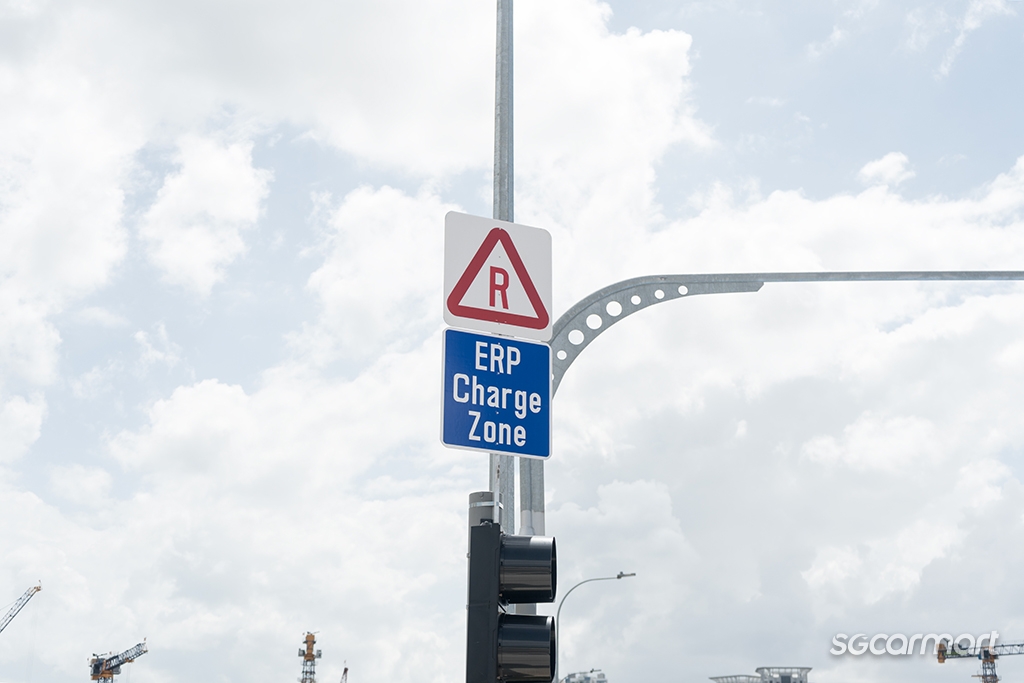
As we transition towards ERP 2.0, physical ERP gantries will be decommissioned
1. Physical ERP gantries will be decommissioned
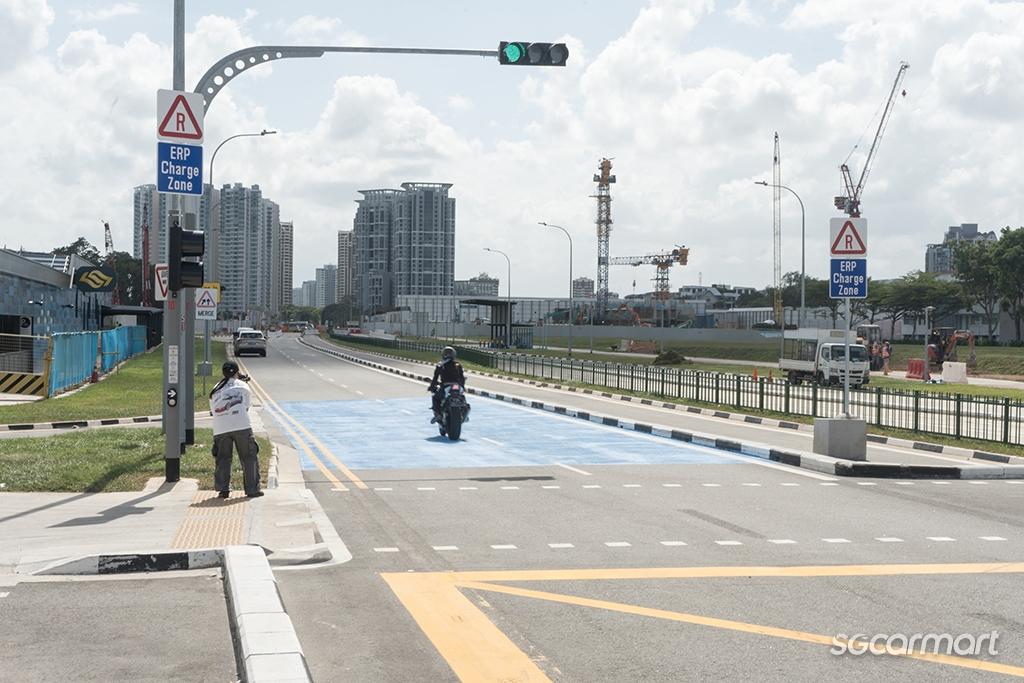
One of the most obvious changes motorists will see is the eventual removal of physical ERP gantries. According to LTA, these gantries are now reaching the end of their life cycle, having been first introduced in 1998.
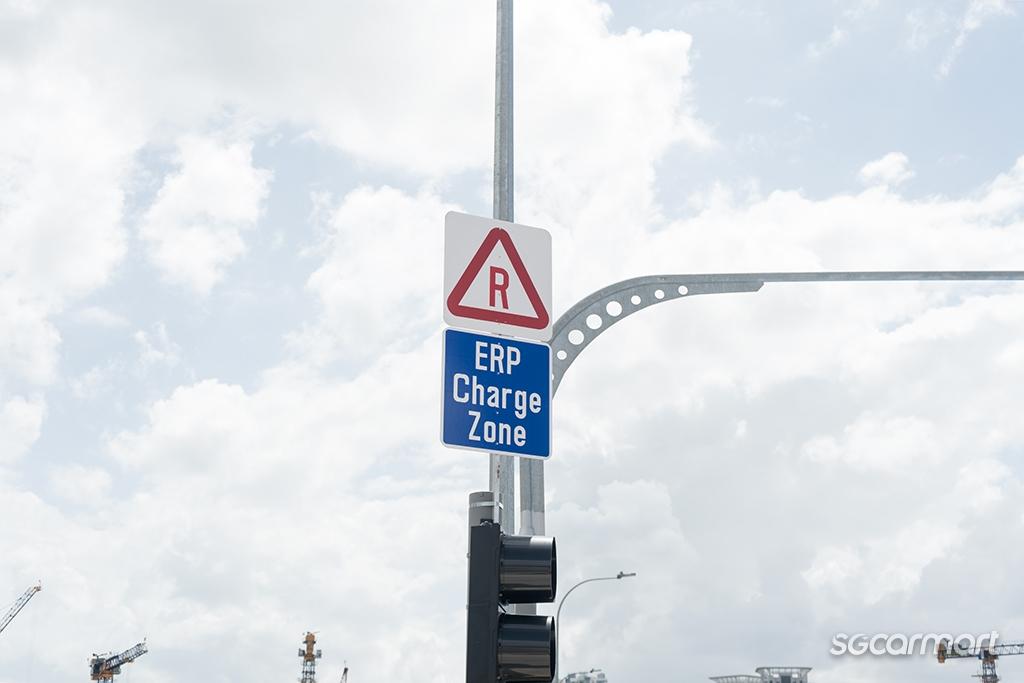
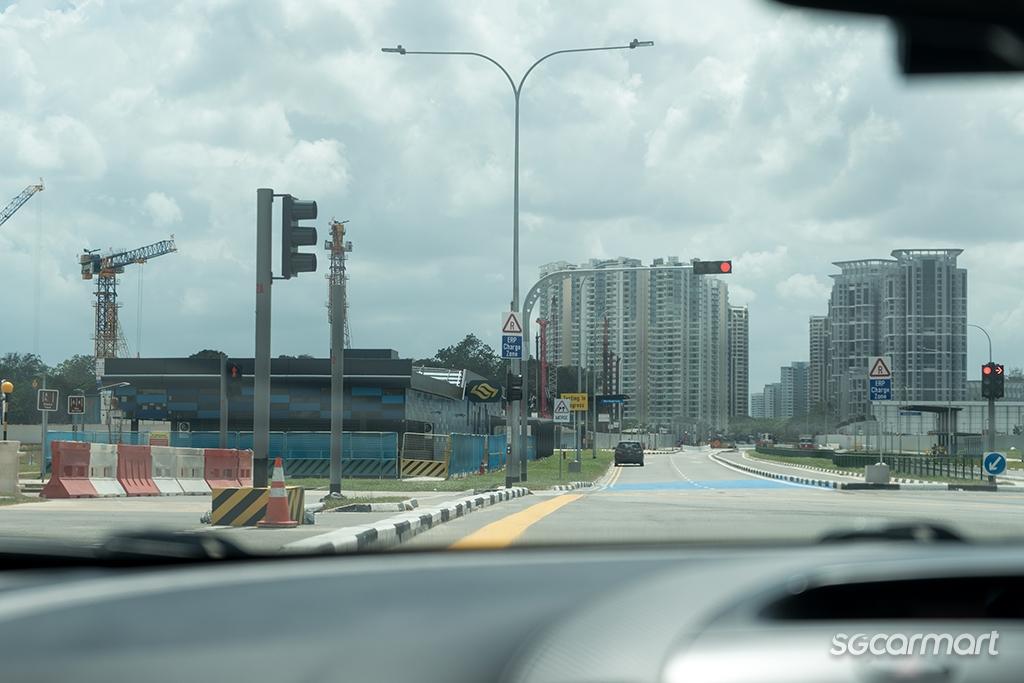
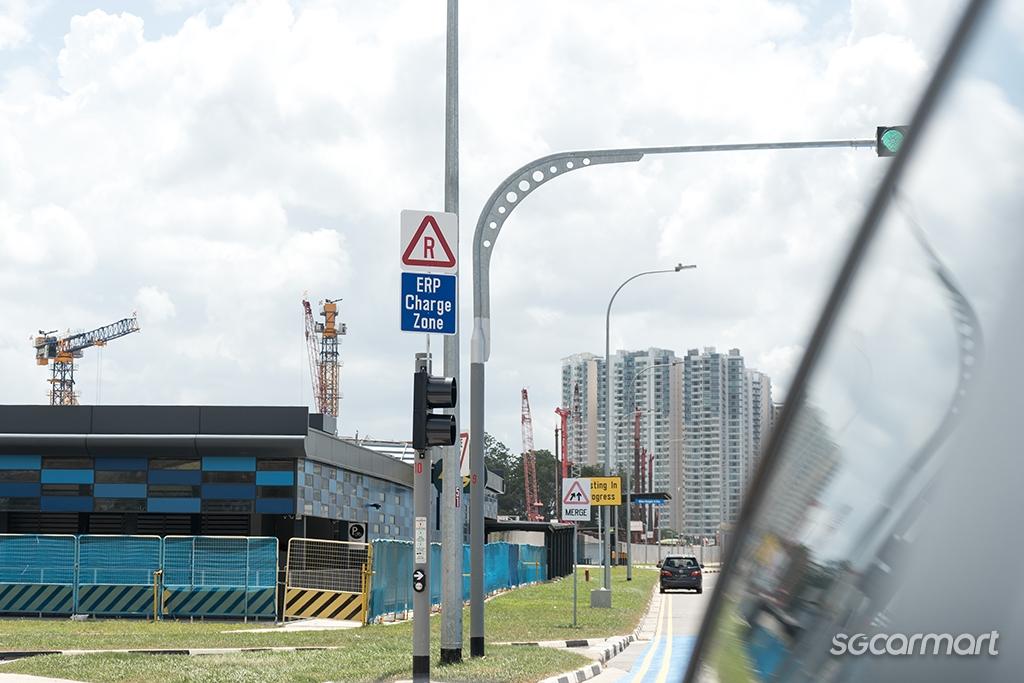
Operating on a Global Navigation Satellite System (GNSS), ERP 2.0 will instead effectively use 'virtual gantries' - with this trial demonstrating visual markers for motorists to identify where those ERP zones are.
Presently, these 'gantry' locations are not expected to change - they will by and large be where you currently already see ERP gantries. There may however be some slight adjustments in locations where there are infrastructure limitations - for example, anywhere that may have a separate non-chargeable road that presently runs under/over a road with a physical gantry. To be clear, there's no intention to add/remove/change ERP zones, but any minor adjustments is to ensure operational accuracy.
In operation, it should function no differently from the way things currently are.
2. Visual markers will be used to allow motorists to identify ERP zones
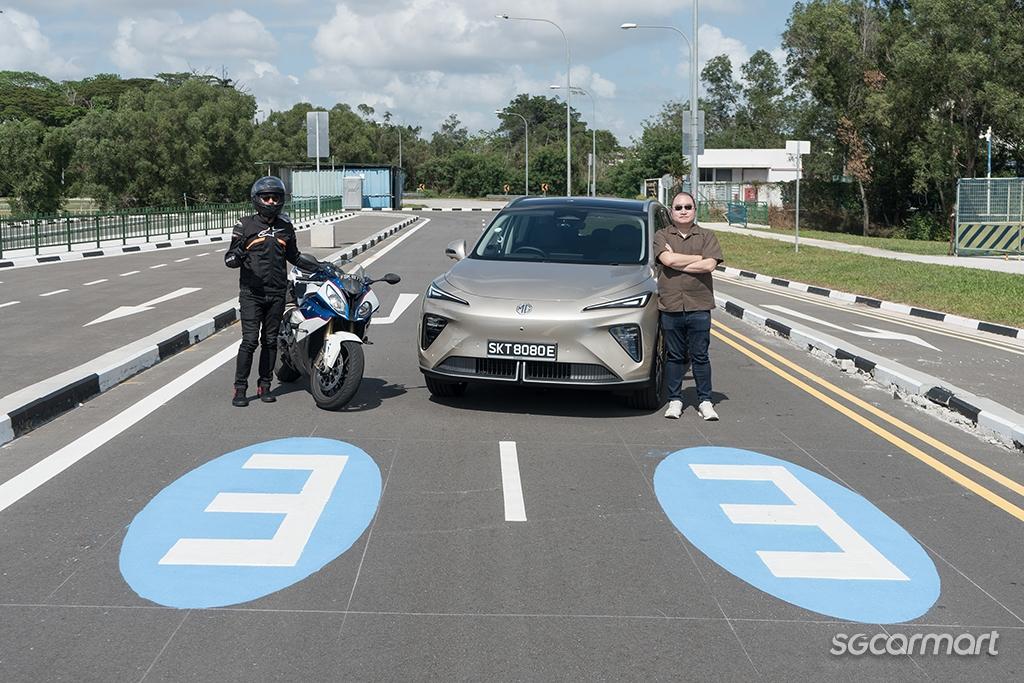
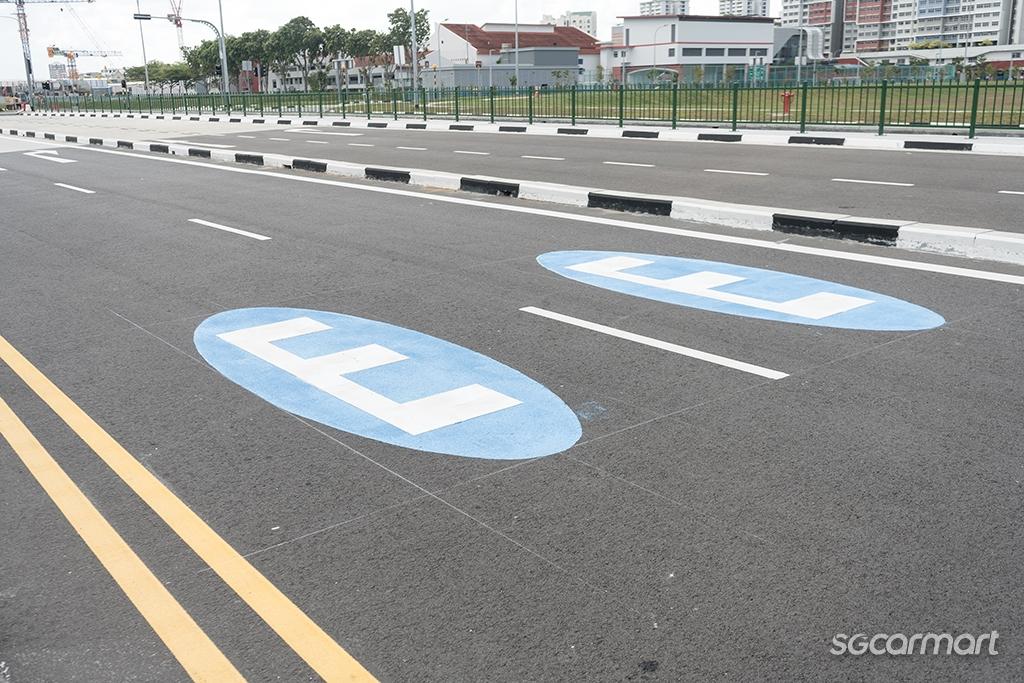
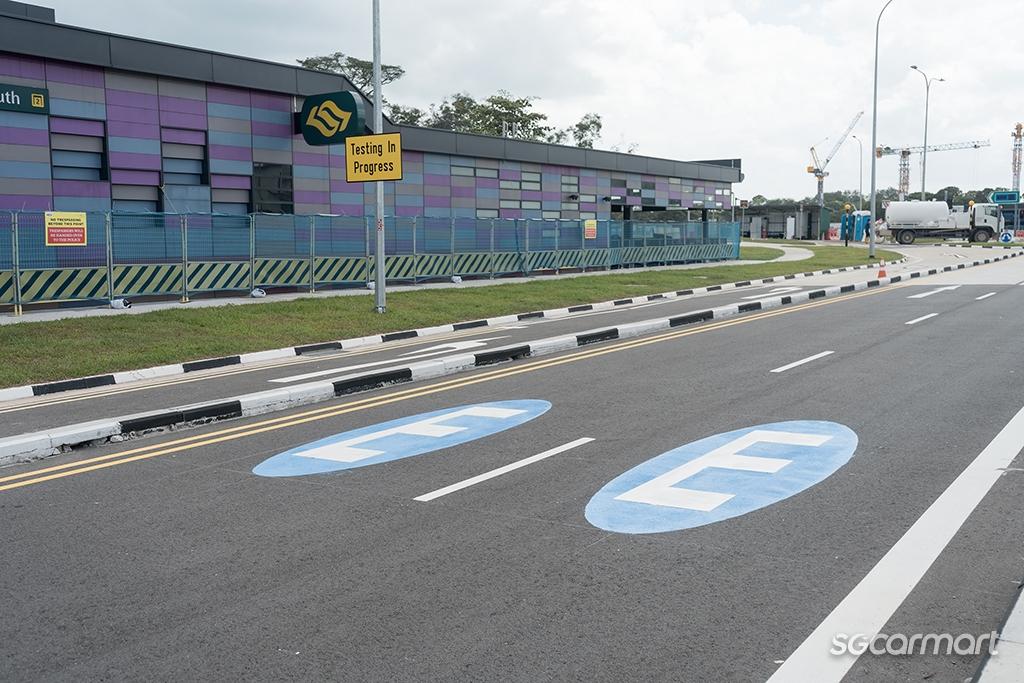
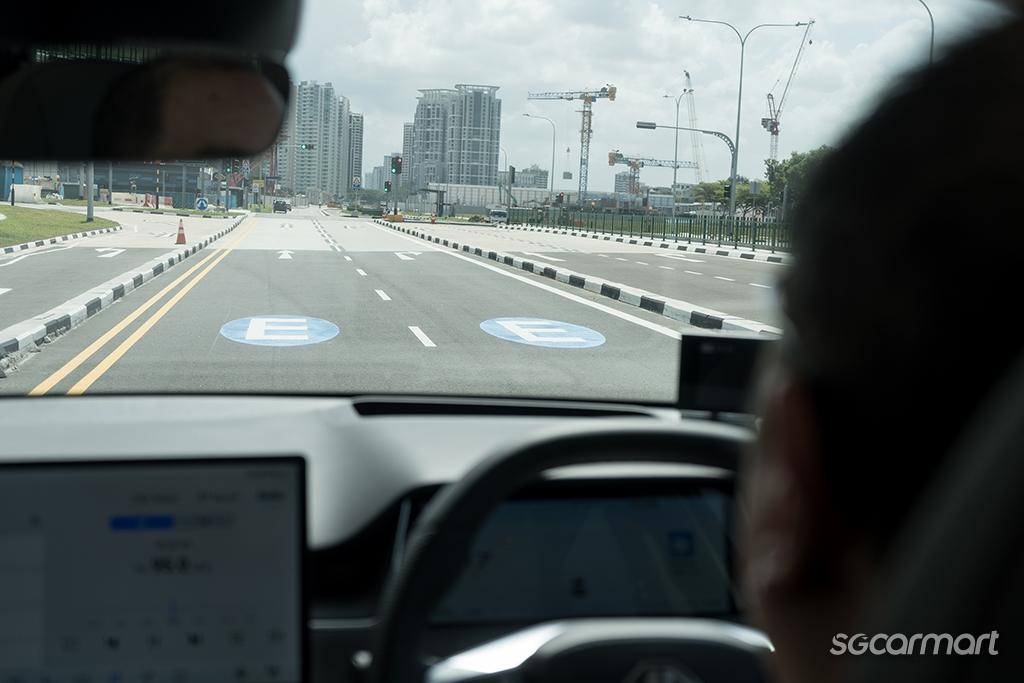
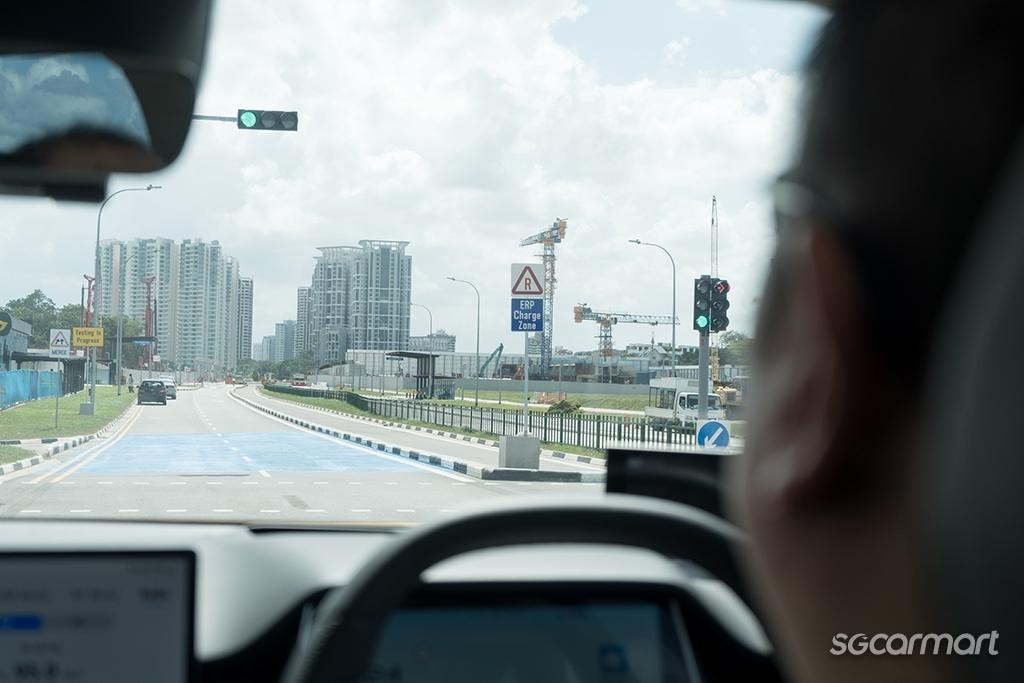
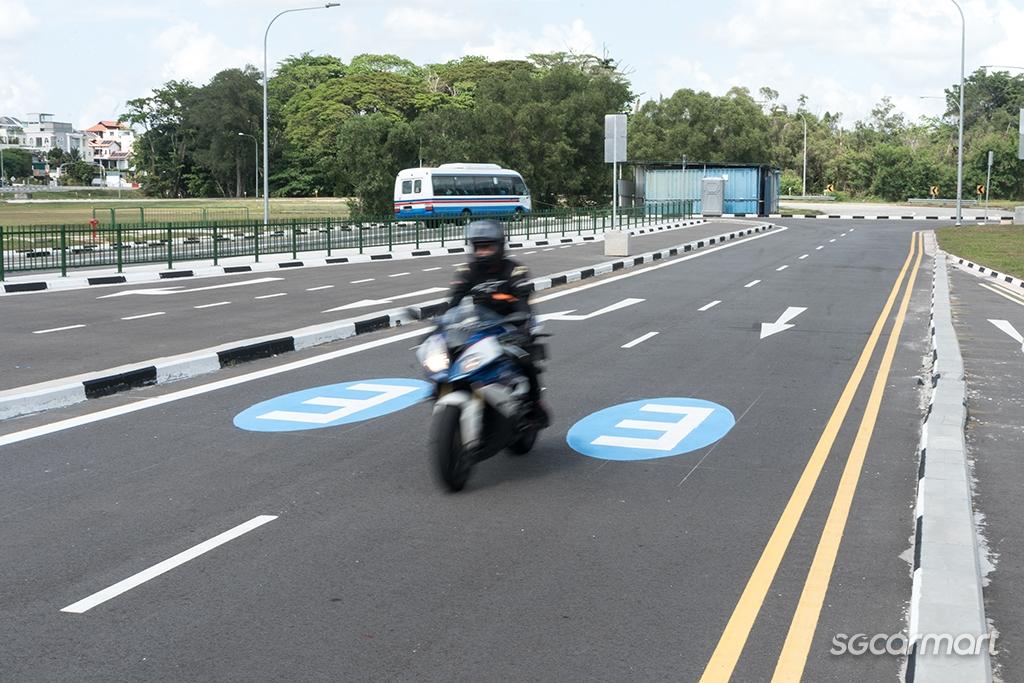
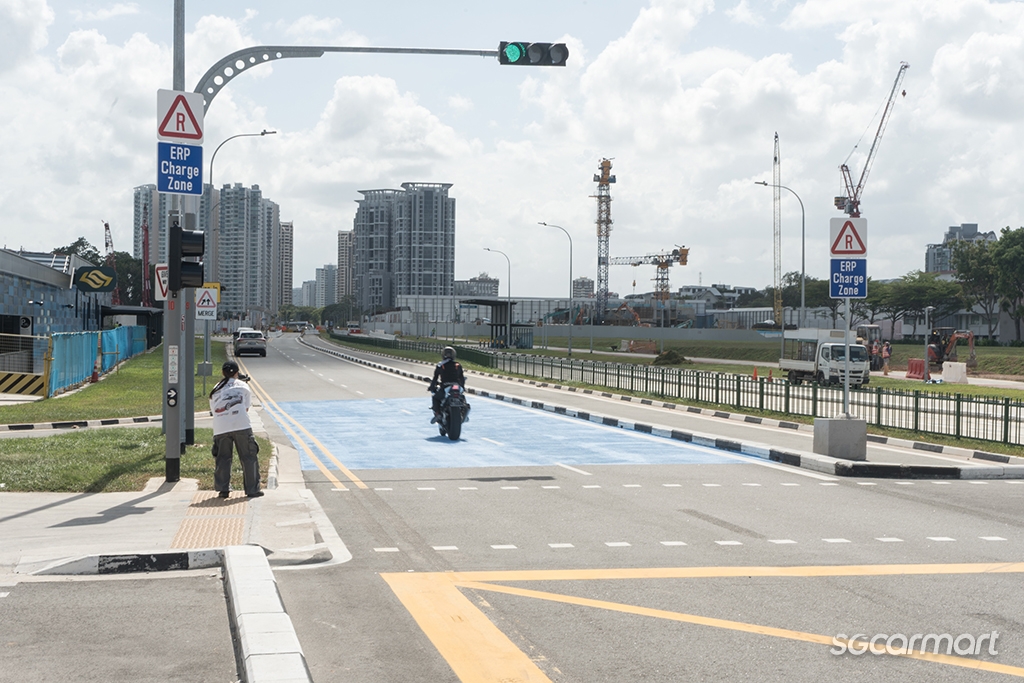
During the trial, two iterations of these visual markers were tested (though these are not the finalised design). The intention is to still be able to visually inform road users of ERP zones, while also trying to minimise any potential behavioural changes (such as slowing down ahead of these markers). In effect, the behaviour should remain the same even after transitioning away from physical gantries, so as to ensure consistent traffic flow.
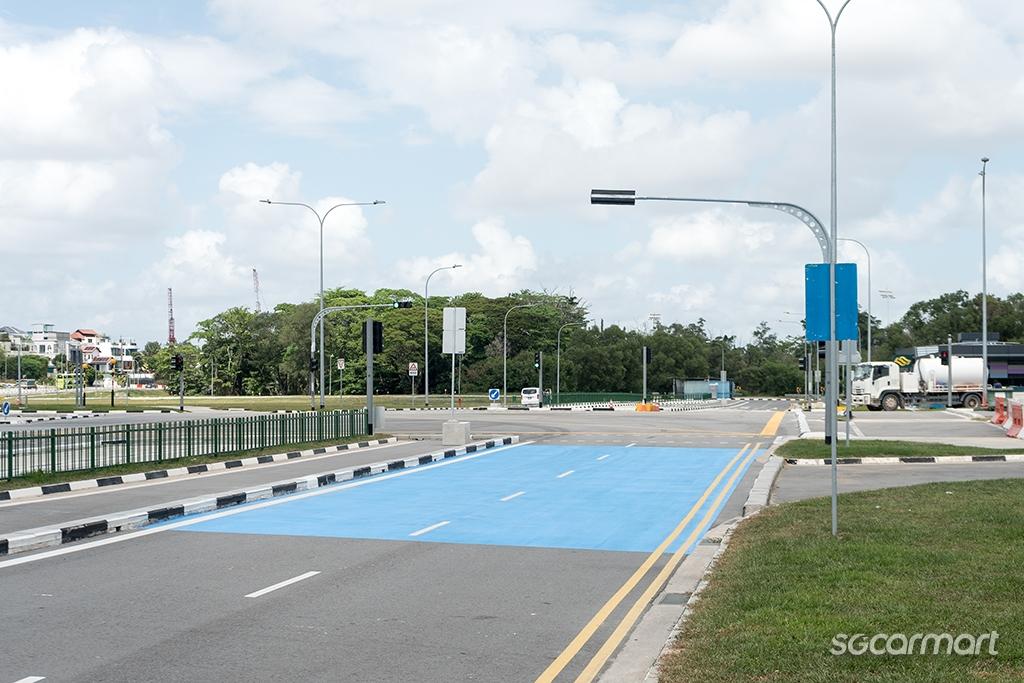
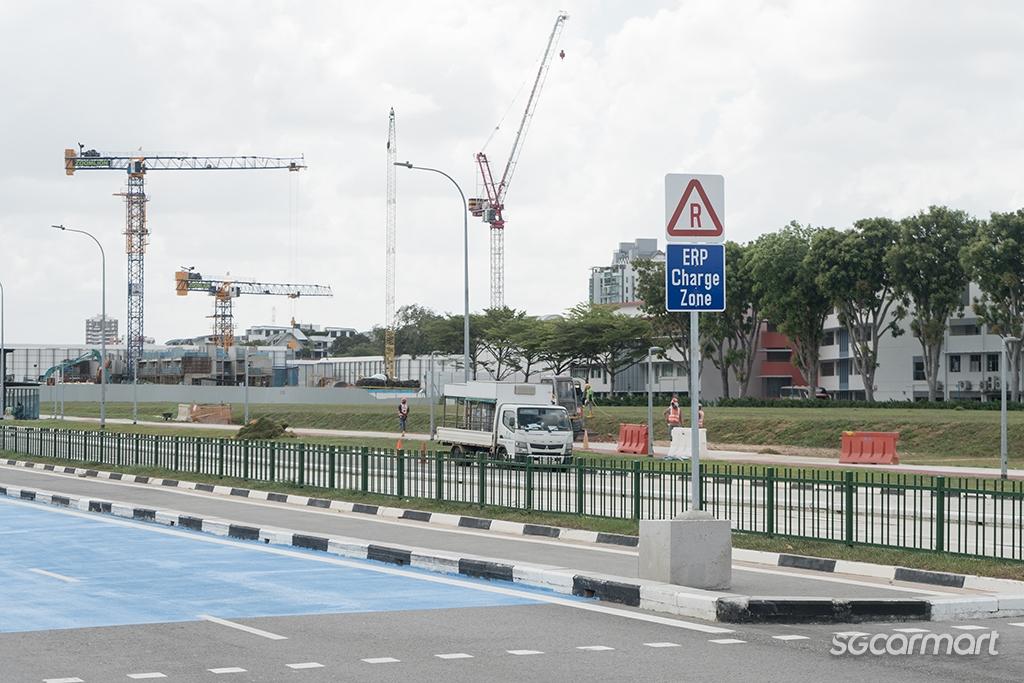
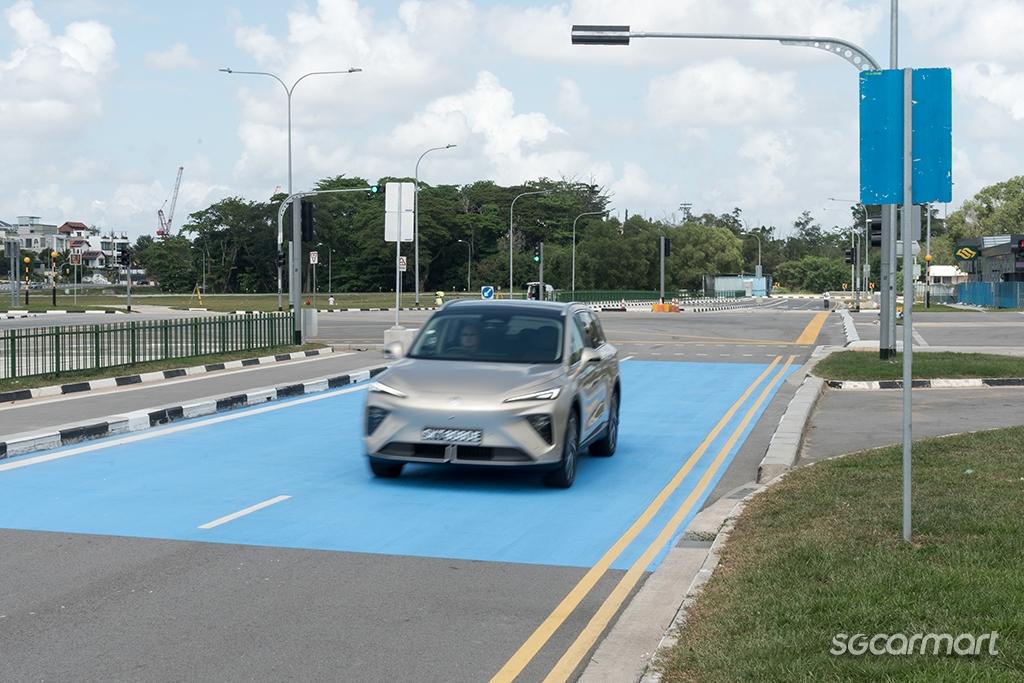
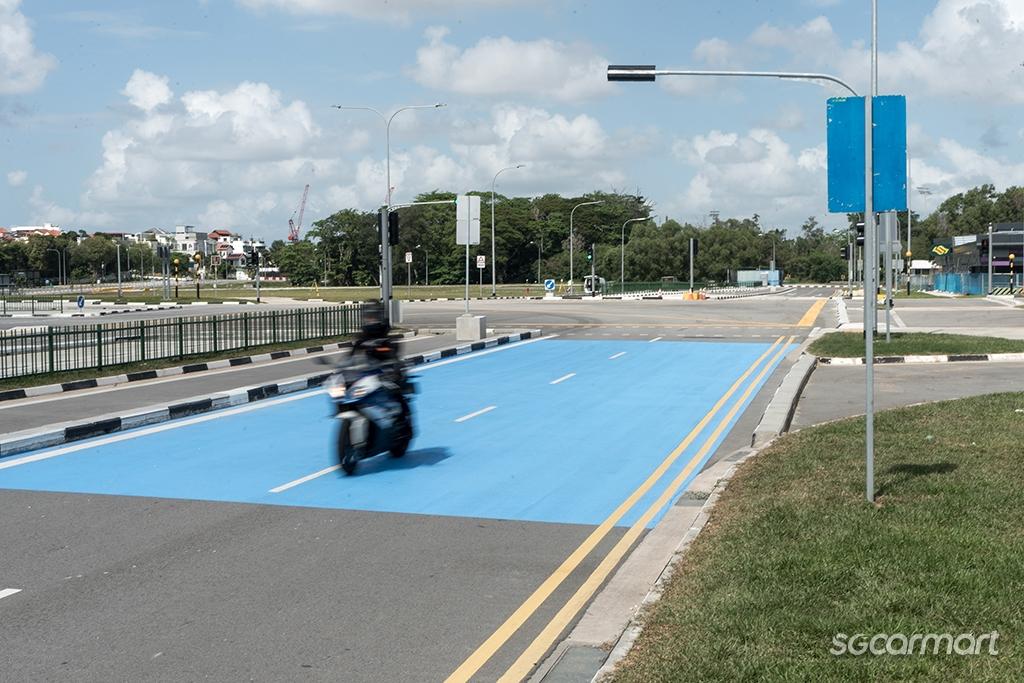
During the trial, we found the 'blue carpet' variant to be much more visible and noticeable, especially from further away. It likely is also more cognitively logical to motorists - you actually feel like you are driving/riding through a "zone", and it is within that zone that you would then be charged payment.
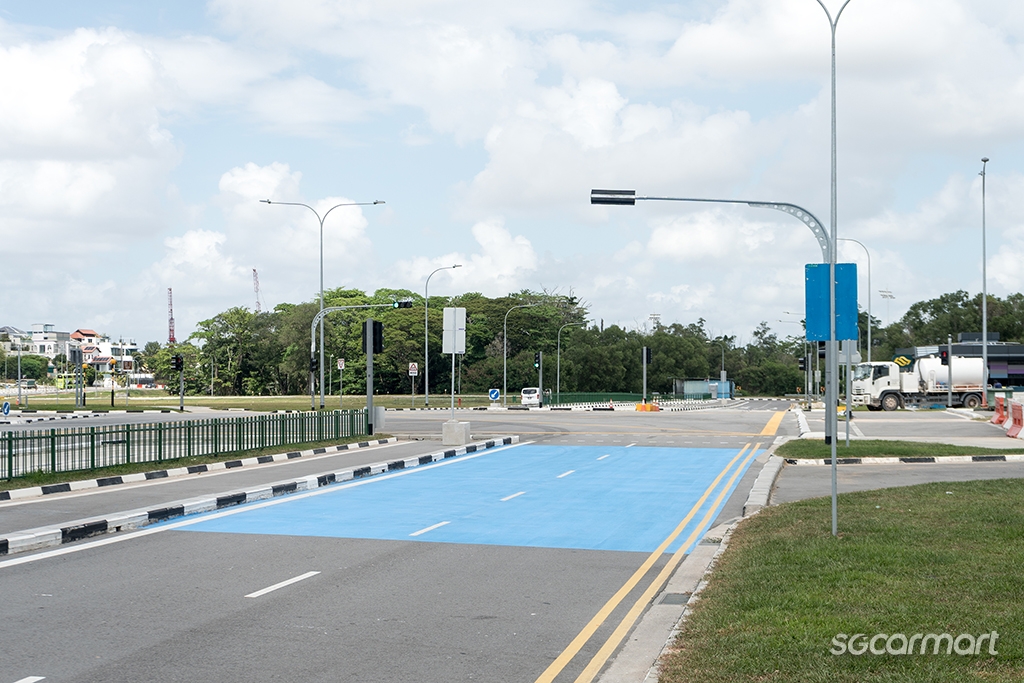
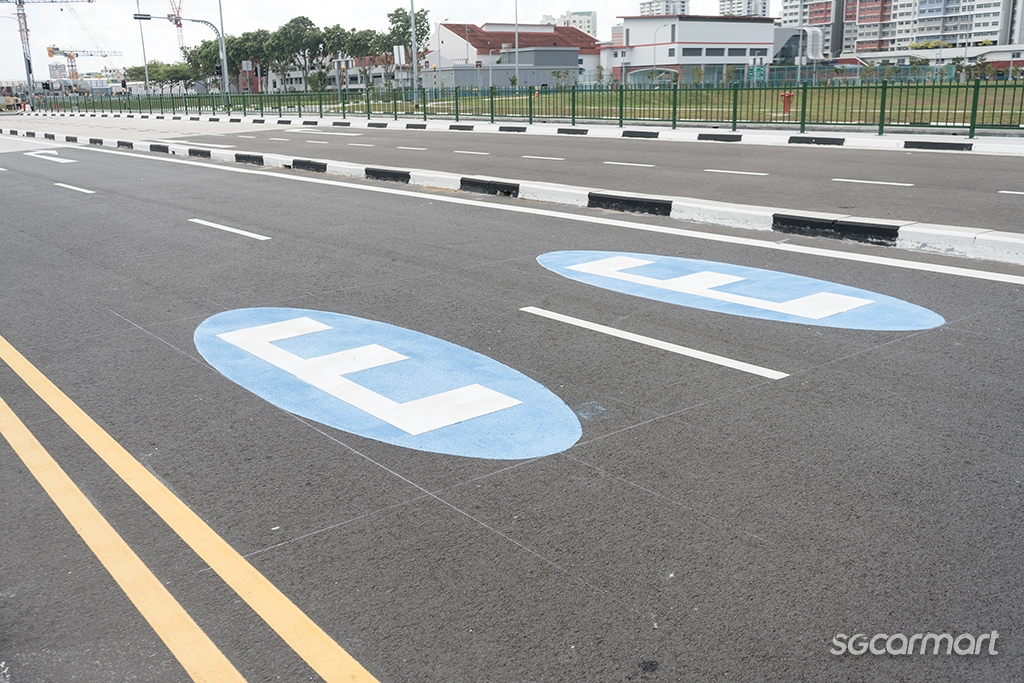
Visual markers will be implemented to help motorists identify ERP zones
3. The painted surfaces should not significantly impact traction
When we first noticed the visual markers, the immediate concern that popped into mind was traction - especially in the wet. However, a closer look reveals that the markers (at least the blue portions) are painted 'into' the asphalt surface, as opposed to being a completely smooth surface atop the tarmac (what we experience with many road markings like white lines, yellow lines, zebra crossing markings and etc). So actually, the surface retains the rough texture of asphalt.
That should mean that there's less concern about poor traction in wet conditions. However, we did not manage to observe or test water dissipation.
4. For drivers, the OBU display will be the primary source of ERP information (not the case for motorbikes)
Presently, the physical ERP gantries provide a single unified source of information for all motorists. That will change.
For drivers (and we presume this includes commercial vehicles), relevant ERP-related information, such as upcoming zones and cost, will instead be shown on the OBU display. LTA tells us that additional functionality could potentially be offered, including suggestions to use alternative routes to avoid ERP zones.
No luck for bikers, though. Due to the limited functionality of the OBU for motorbikes, information will not be able to be displayed on the OBU. How bikers will be informed of specific ERP-related information is currently unclear.
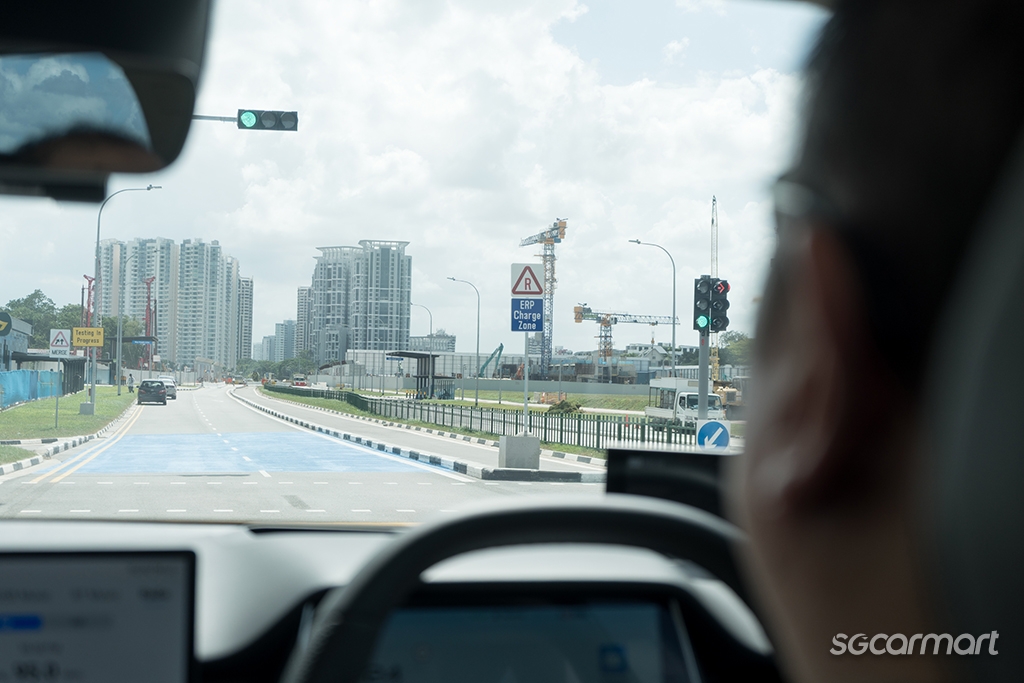
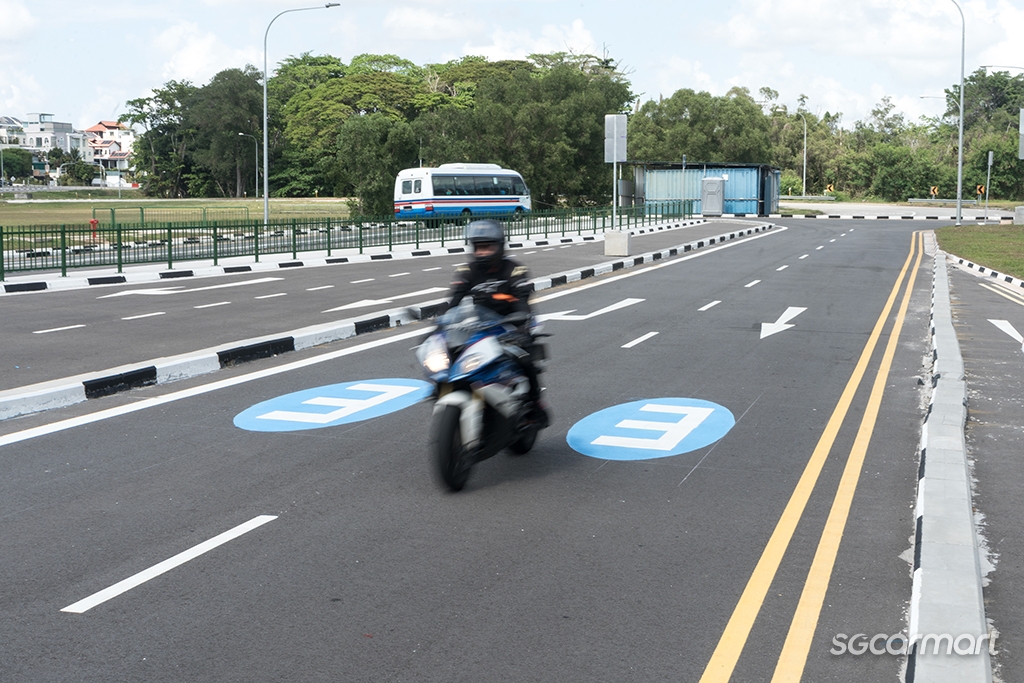
For drivers, relevant ERP information will be shown on the OBU display. For bikers? No such luck
5. There are plans to roll out this trial in more locations
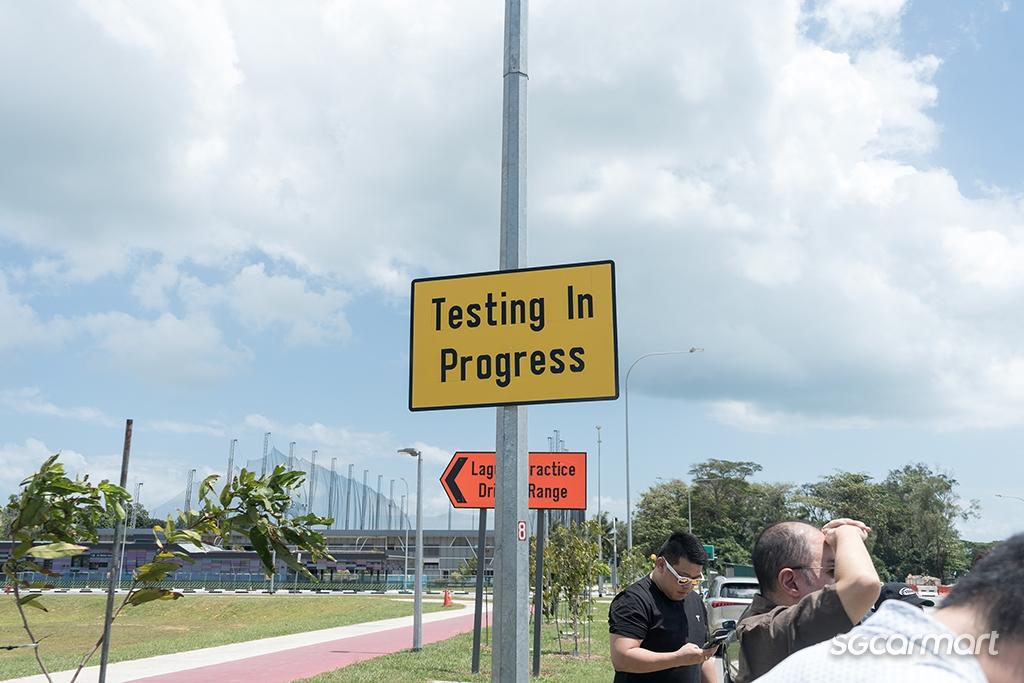
This current trial was limited to a single location at Bayshore Drive - technically an accessible public road, but currently it leads to a dead-end (it's a new HDB area that's currently under construction). LTA tells us that more trial locations are expected in the coming months.
Presently, we only know that ERP 2.0 will definitely see the ceasing of physical gantries - other additional features have not be fully confirmed for implementation
That's what we know so far. Here are 2 things that we still do not know:
1. When will it begin?
The big one, of course, is when this GNSS-based ERP 2.0 will commence operation. We understand that LTA is still in the midst of doing the necessary technical testing of the system, and there's as yet no clearly established timeline for the decommissioning of existing physical gantries.
The 1 Jan 2027 date should be instructive. LTA has set that deadline for all vehicles to be fitted with the new OBU, as well as the official transition to the new GNSS-based system. Will it definitely kickstart on 1 Jan? We certainly hope so, but delays are not unheard of.
2. What else will ERP 2.0 encompass?
Right now, the only officially confirmed change is the removal of physical gantries.
Paying for roadside parking? Distance-based charging? At the moment, these seem like 'not yet' features. We reckon that the technical feasibility of implementing those still need plenty of ironing out.
Whether you like it or not (not, by the sound of the online chatter), Singapore is transitioning to ERP 2.0.
On 3 Feb 2026, LTA announced amendments to the Road Traffic Act, which explicitly requires all vehicles to be fitted with the new On-Board Unit (OBU) because from 1 Jan 2027, we will be transitioning to the ERP 2.0 system.
As part of that transition, LTA hosted a trial of new visual markers. Having participated in the trial and spoken to staff from LTA, here are 5 things we know about the upcoming changes, and 2 things that we still don't know.
As we transition towards ERP 2.0, physical ERP gantries will be decommissioned
1. Physical ERP gantries will be decommissioned
One of the most obvious changes motorists will see is the eventual removal of physical ERP gantries. According to LTA, these gantries are now reaching the end of their life cycle, having been first introduced in 1998.
Operating on a Global Navigation Satellite System (GNSS), ERP 2.0 will instead effectively use 'virtual gantries' - with this trial demonstrating visual markers for motorists to identify where those ERP zones are.
Presently, these 'gantry' locations are not expected to change - they will by and large be where you currently already see ERP gantries. There may however be some slight adjustments in locations where there are infrastructure limitations - for example, anywhere that may have a separate non-chargeable road that presently runs under/over a road with a physical gantry. To be clear, there's no intention to add/remove/change ERP zones, but any minor adjustments is to ensure operational accuracy.
In operation, it should function no differently from the way things currently are.
2. Visual markers will be used to allow motorists to identify ERP zones
During the trial, two iterations of these visual markers were tested (though these are not the finalised design). The intention is to still be able to visually inform road users of ERP zones, while also trying to minimise any potential behavioural changes (such as slowing down ahead of these markers). In effect, the behaviour should remain the same even after transitioning away from physical gantries, so as to ensure consistent traffic flow.
During the trial, we found the 'blue carpet' variant to be much more visible and noticeable, especially from further away. It likely is also more cognitively logical to motorists - you actually feel like you are driving/riding through a "zone", and it is within that zone that you would then be charged payment.
Visual markers will be implemented to help motorists identify ERP zones
3. The painted surfaces should not significantly impact traction
When we first noticed the visual markers, the immediate concern that popped into mind was traction - especially in the wet. However, a closer look reveals that the markers (at least the blue portions) are painted 'into' the asphalt surface, as opposed to being a completely smooth surface atop the tarmac (what we experience with many road markings like white lines, yellow lines, zebra crossing markings and etc). So actually, the surface retains the rough texture of asphalt.
That should mean that there's less concern about poor traction in wet conditions. However, we did not manage to observe or test water dissipation.
4. For drivers, the OBU display will be the primary source of ERP information (not the case for motorbikes)
Presently, the physical ERP gantries provide a single unified source of information for all motorists. That will change.
For drivers (and we presume this includes commercial vehicles), relevant ERP-related information, such as upcoming zones and cost, will instead be shown on the OBU display. LTA tells us that additional functionality could potentially be offered, including suggestions to use alternative routes to avoid ERP zones.
No luck for bikers, though. Due to the limited functionality of the OBU for motorbikes, information will not be able to be displayed on the OBU. How bikers will be informed of specific ERP-related information is currently unclear.
For drivers, relevant ERP information will be shown on the OBU display. For bikers? No such luck
5. There are plans to roll out this trial in more locations
This current trial was limited to a single location at Bayshore Drive - technically an accessible public road, but currently it leads to a dead-end (it's a new HDB area that's currently under construction). LTA tells us that more trial locations are expected in the coming months.
Presently, we only know that ERP 2.0 will definitely see the ceasing of physical gantries - other additional features have not be fully confirmed for implementation
That's what we know so far. Here are 2 things that we still do not know:
1. When will it begin?
The big one, of course, is when this GNSS-based ERP 2.0 will commence operation. We understand that LTA is still in the midst of doing the necessary technical testing of the system, and there's as yet no clearly established timeline for the decommissioning of existing physical gantries.
The 1 Jan 2027 date should be instructive. LTA has set that deadline for all vehicles to be fitted with the new OBU, as well as the official transition to the new GNSS-based system. Will it definitely kickstart on 1 Jan? We certainly hope so, but delays are not unheard of.
2. What else will ERP 2.0 encompass?
Right now, the only officially confirmed change is the removal of physical gantries.
Paying for roadside parking? Distance-based charging? At the moment, these seem like 'not yet' features. We reckon that the technical feasibility of implementing those still need plenty of ironing out.



Thank You For Your Subscription.


Tags
Products & Services

For Owners
Quick Links
About Sgcarmart



