
Big Test: Which brand makes the best hybrid?
04 Nov 2025|18,773 views


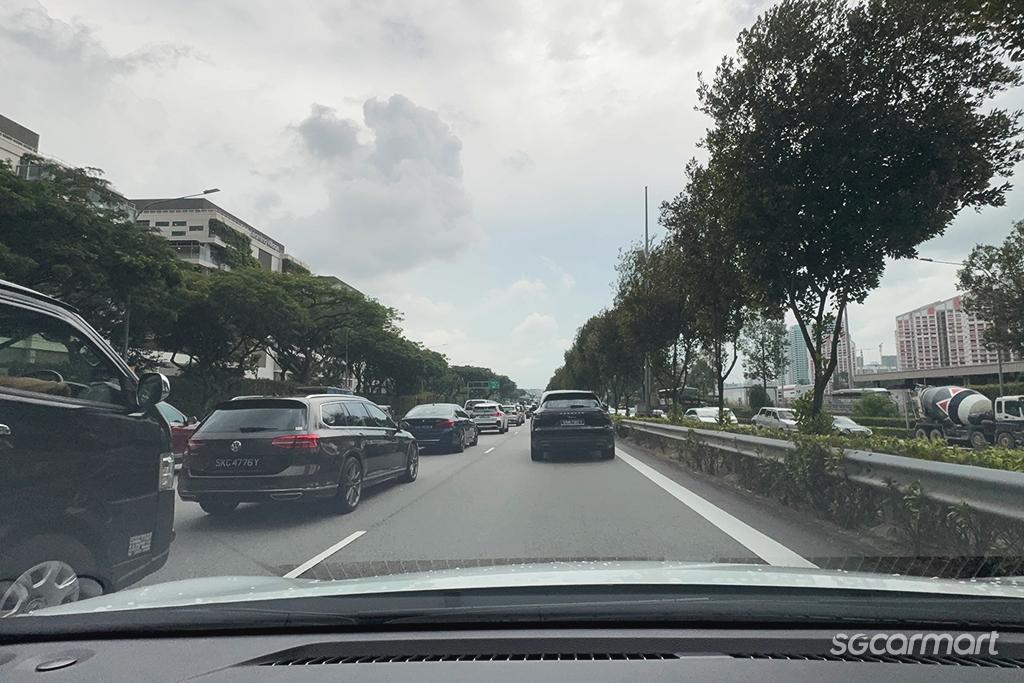





Timing may be inopportune given the recent announcement about upcoming VES adjustments, but hybrid vehicles should still very much have a place on our roads. Not everyone is ready/able to go fully electric, and hybrids present a solid and provably greener ICE solution for the future. And consumer sentiment appears to reflect this: A recent Deloitte Global Automotive Consumer Study found that 31% of polled Singaporeans prefer a hybrid vehicle (compared to 12% who preferred a BEV).
But which brand makes the best hybrid system? That's the question we're going to try to answer.
Presently, 7 brands here offer full hybrids - we have managed to gather models from 5 brands to test. We're only testing full hybrids (or self-charging hybrids as they are sometimes called). Mild-hybrids and plug-in hybrids are not being considered.
It's also here worth immediately noting that it's impossible to make apple-to-apple comparisons across brands. Besides just different hybrid configurations, different brands apply their hybrid systems to various body styles, and some also have hybrid systems using different capacity engines. As such, we've tried to identify and test an indicative hybrid model from each brand.

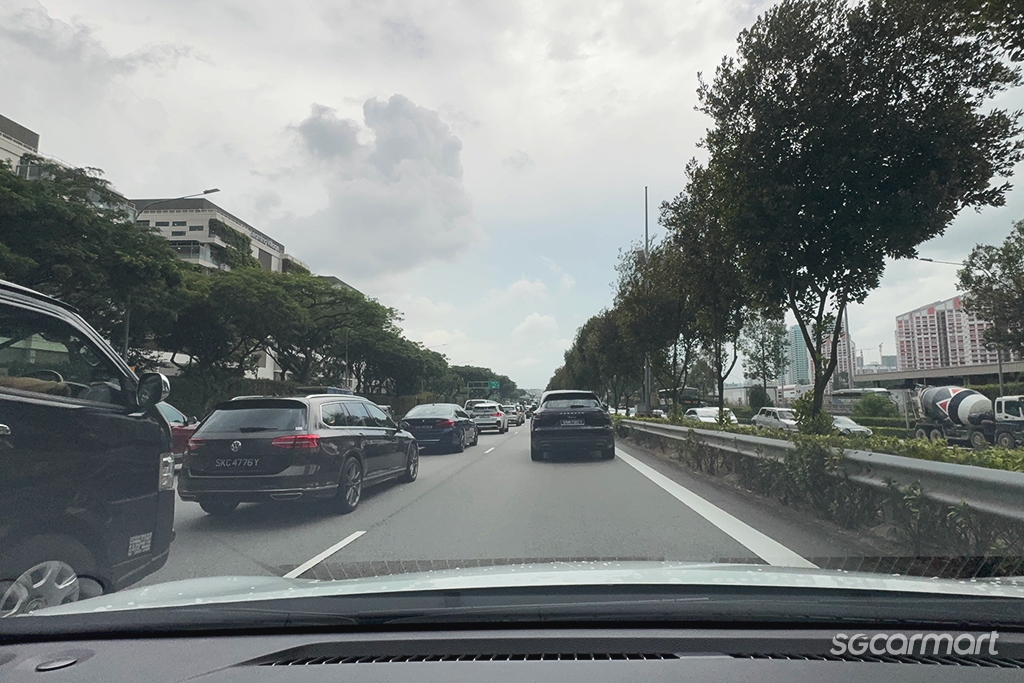
The test will see all cars being driven on the same route with the same driver, to try to eliminate as many changing variables as possible
Of course, fuel efficiency will be the key metric that we are testing, but again, each brand's hybrid system is configured differently, so a direct comparison is not necessarily informative. Instead, we will evaluate the tested figures against each brand's claimed figures for the particular car we are driving.
However, we also will evaluate other aspects of each hybrid system, including performance and smoothness, and also highlight some of the key differences between some of these systems (especially with regards to their configurations). We will not be evaluating other aspects of each car/brand.
Methodology: Each car will be driven by the same driver on the same route, covering 182.4km according to Google Maps. Each car will be used as a driver would typically, so no special attempts to "maximise" fuel economy will be done (air-con on, driving mode normal, music on etc). This is to try to achieve the most realistic, real-world usage results. Driving will consist of an unspecified mix of highway and city driving.
*Honda and Kia were unavailable to participate in this test. The brands are listed in alphabetical order.
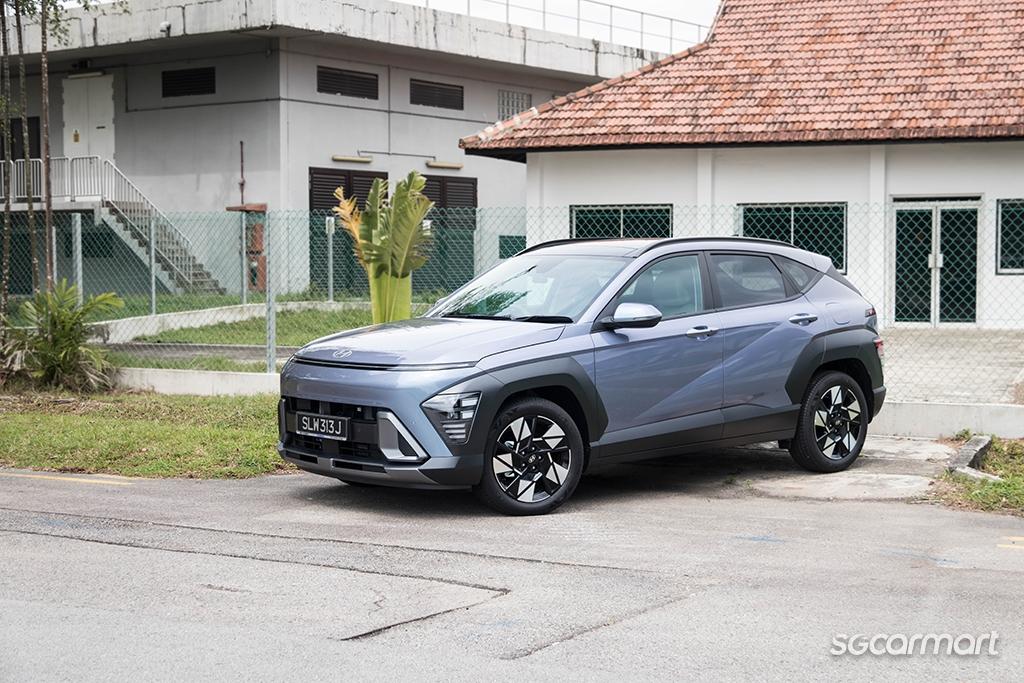
Hyundai
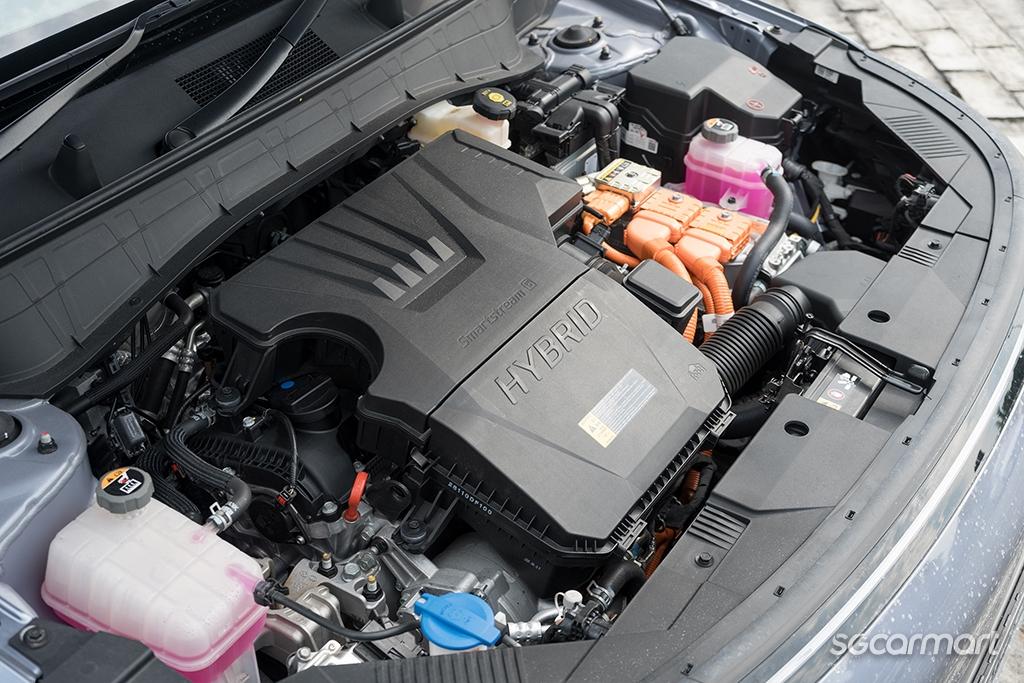
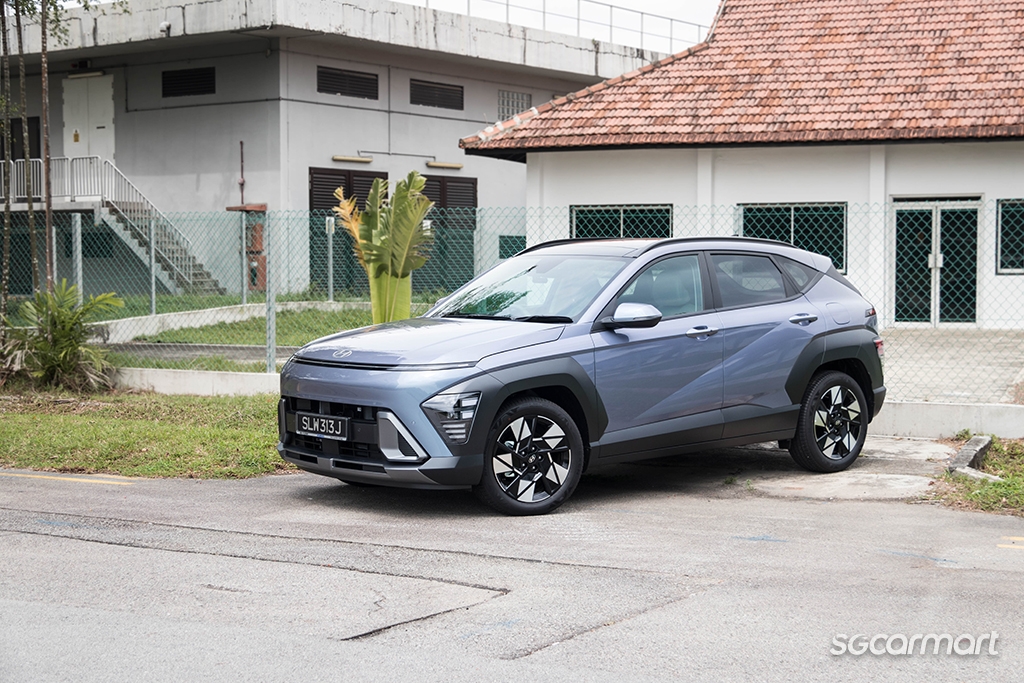
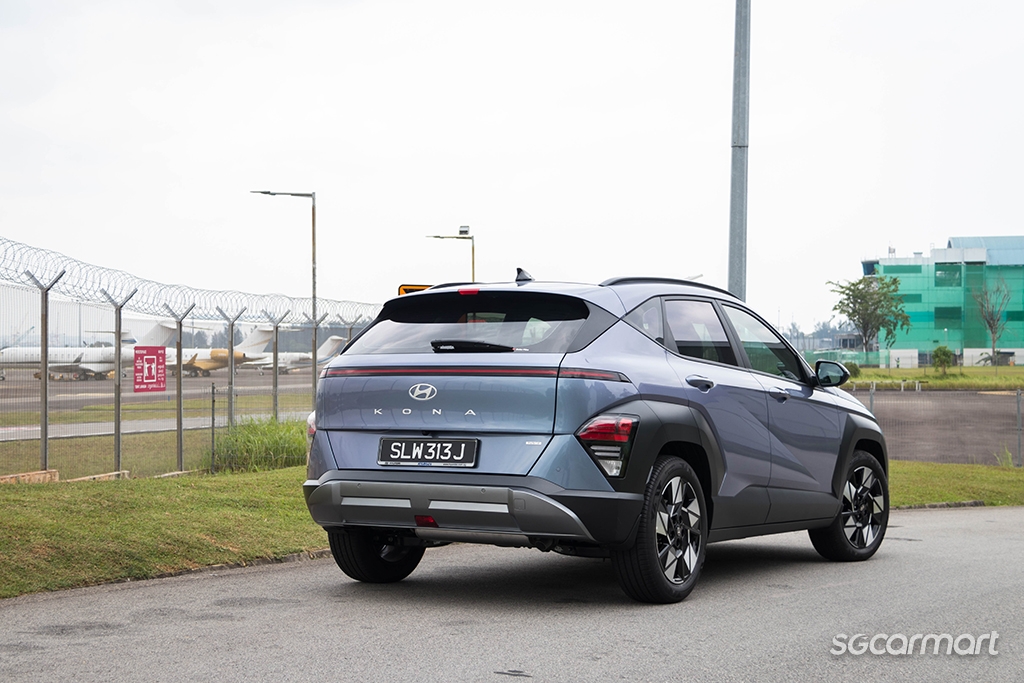
Car tested: Kona Hybrid
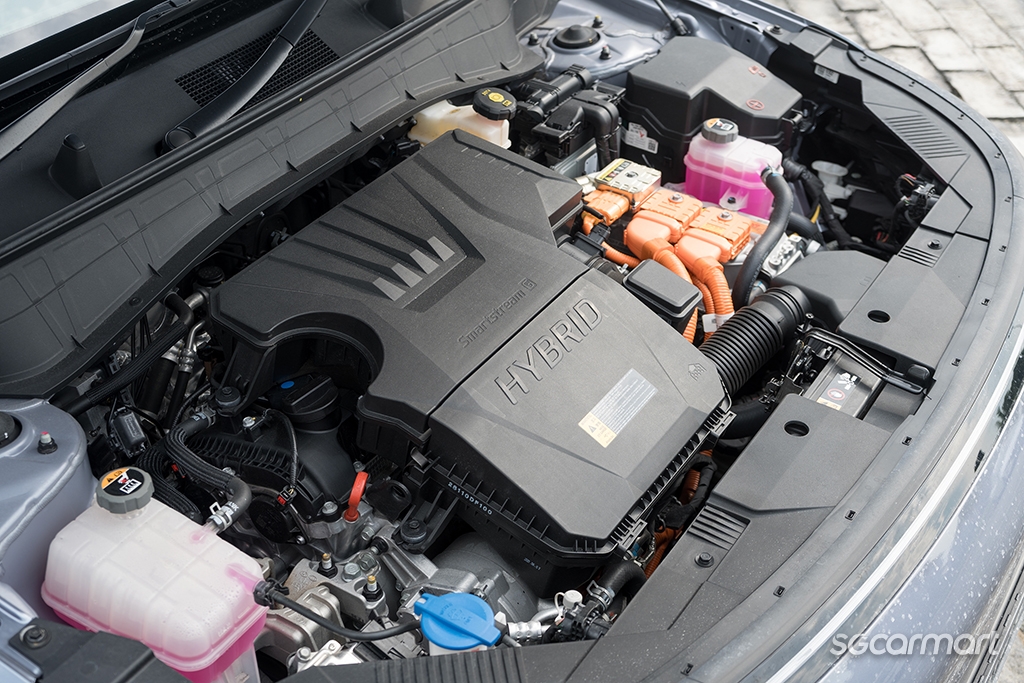
Specs: 1.6-litre 4-cylinder engine, 129bhp and 265Nm of torque. 6-speed DCT transmission.
Hybrid configuration: Parallel
Results:
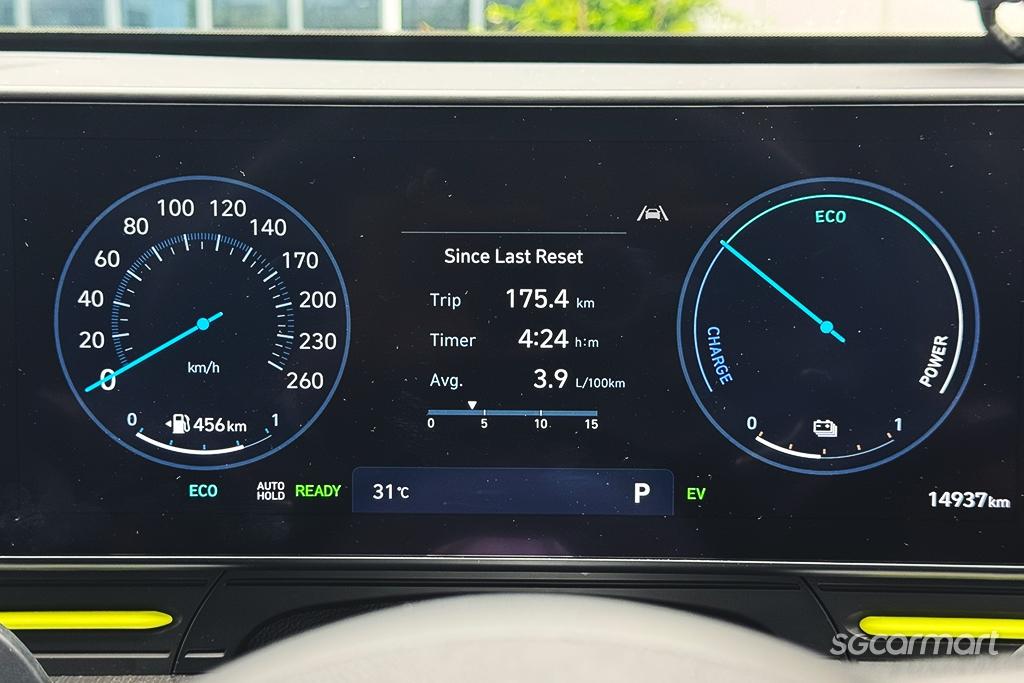
| Distance covered | Average speed | Listed fuel consumption | Tested fuel consumption | Relative performance |
| 175.4km | 39.9km/h | 21.3km/L | 25.6km/L | +20.1% |

Other notes:
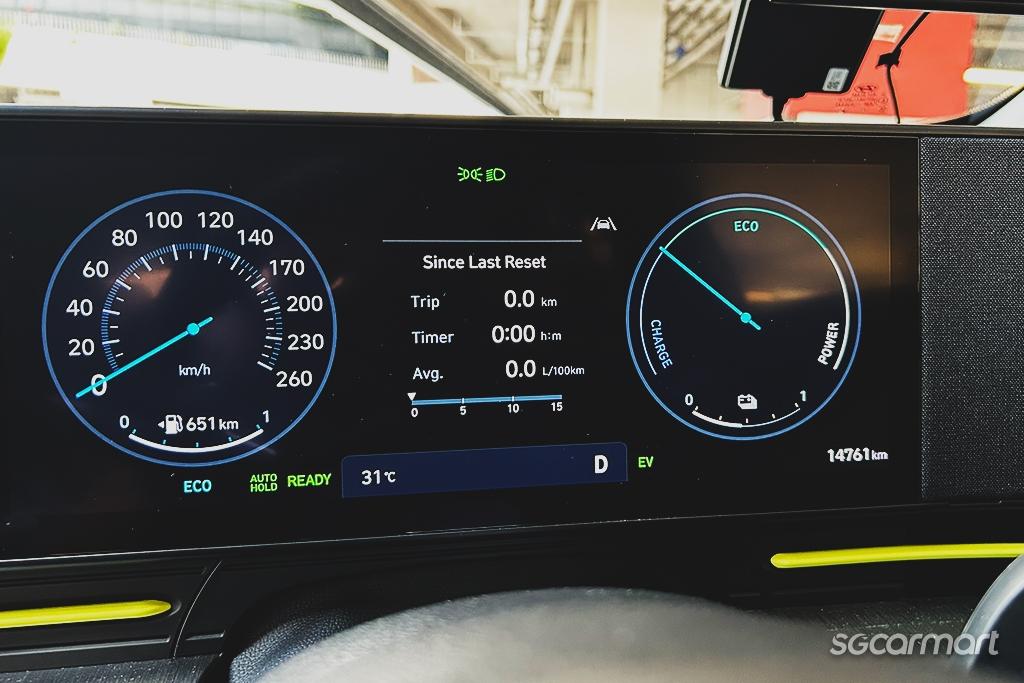
My research and available literature indicates that Hyundai uses a parallel configuration (even its global website says so). However, the graphic in the car appears to show a series-parallel configuration, so there is some confusion here. But technicalities aside, this powertrain performed very well.
The overall drive conditions were smooth and with less general traffic compared to the other drives (probably helping the FC figure). The powertrain proved smooth and refined, with a good amount of performance on tap. Unlike all the other brands tested, Hyundai's powertrain does not use a CVT, and instead uses a DCT. This aids the sensation of acceleration, while also eliminating the 'rubber-band' effect that a CVT may produce.
Lexus
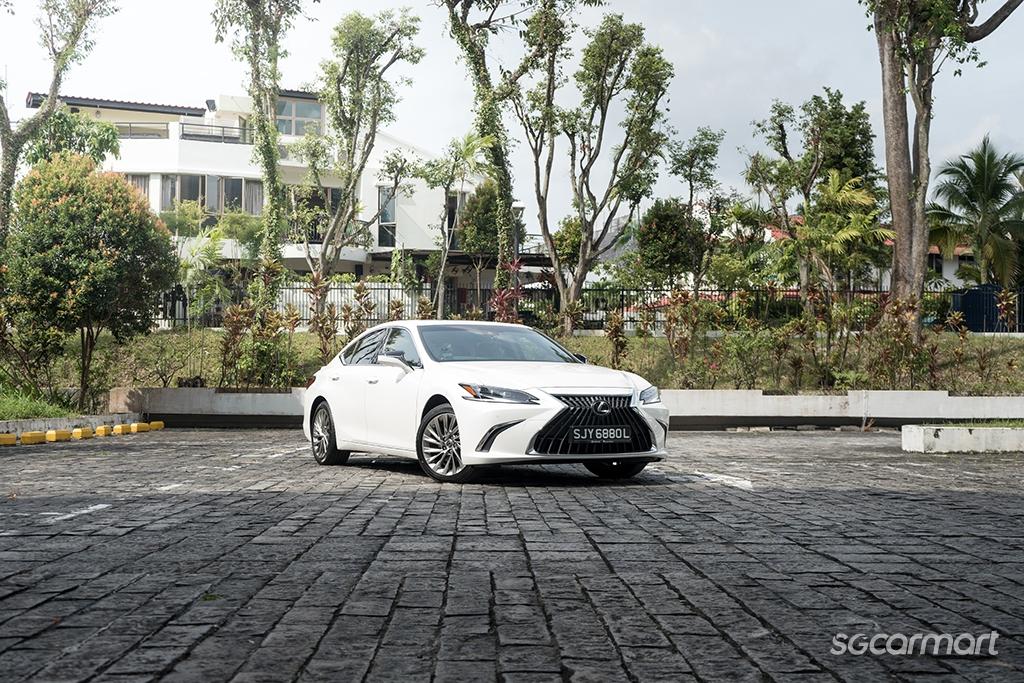
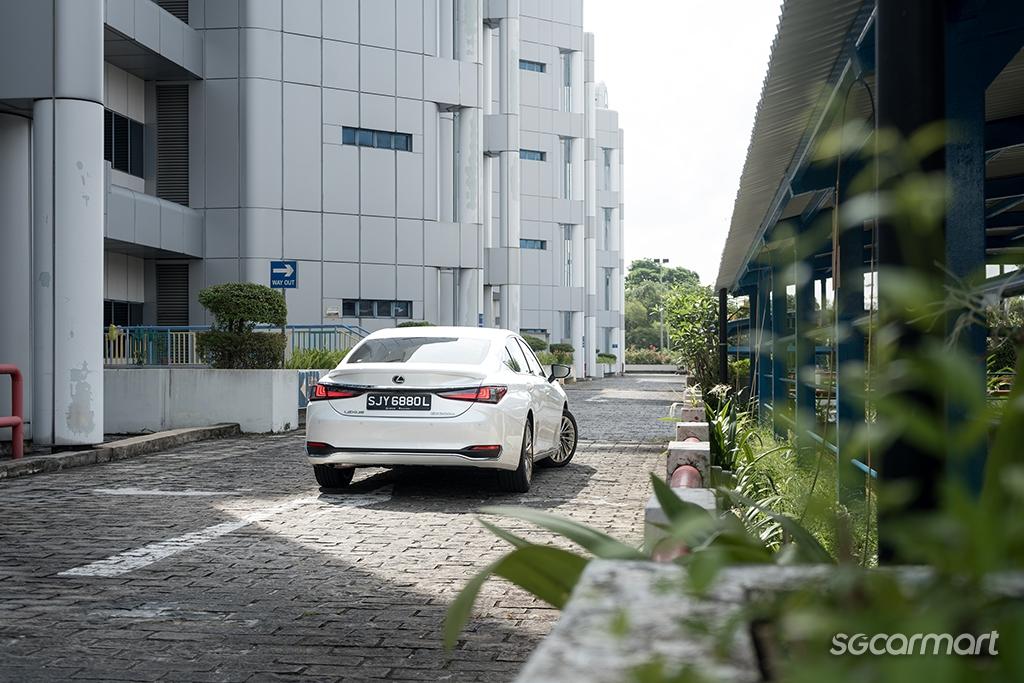
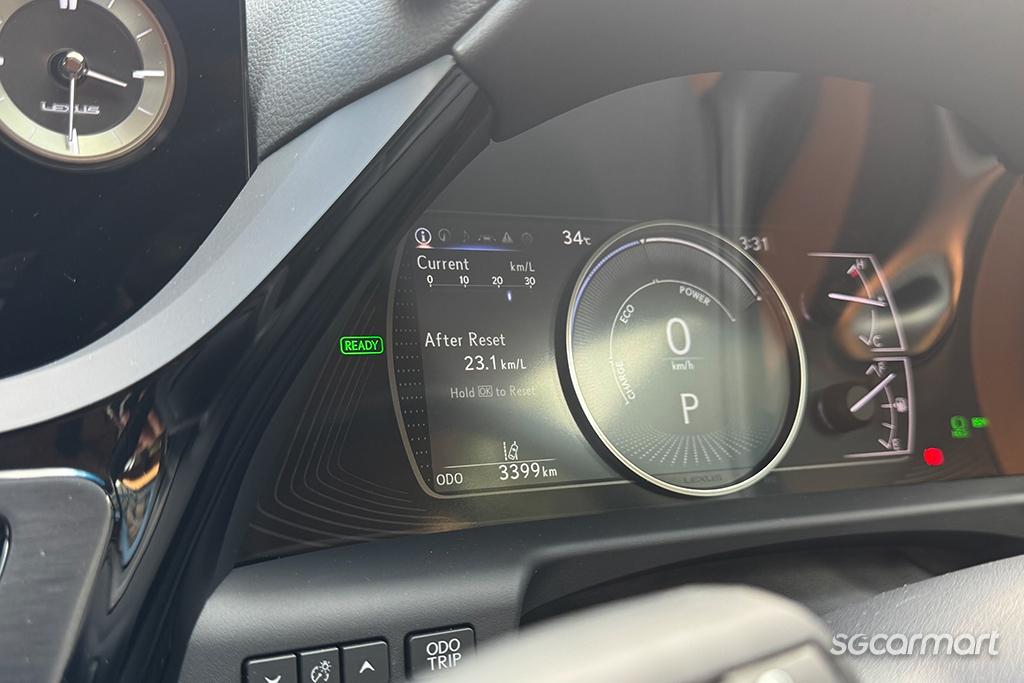
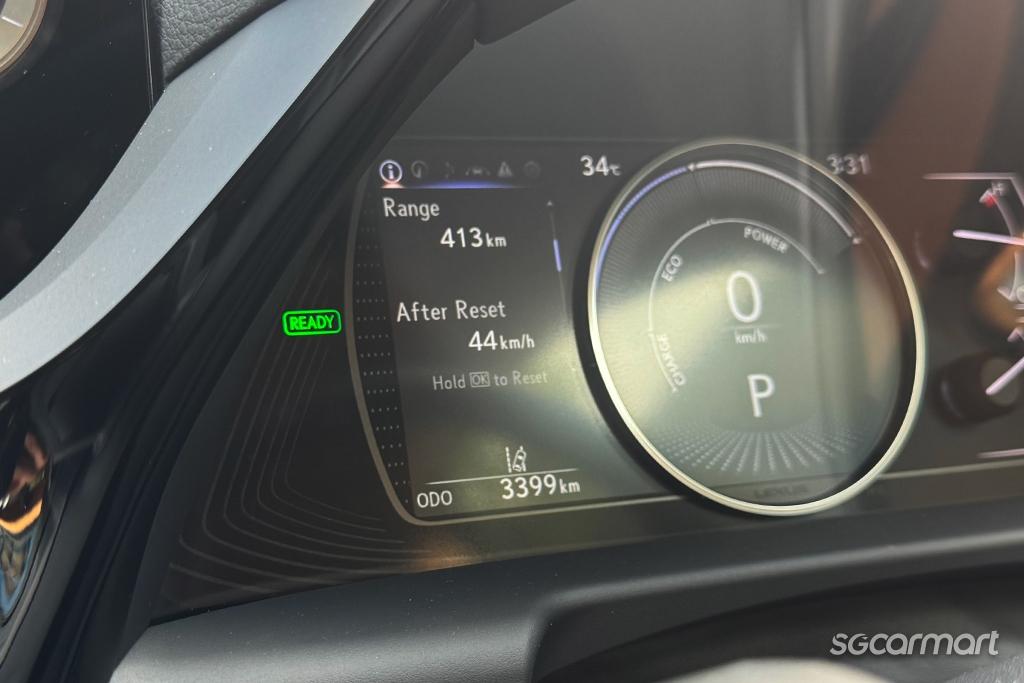
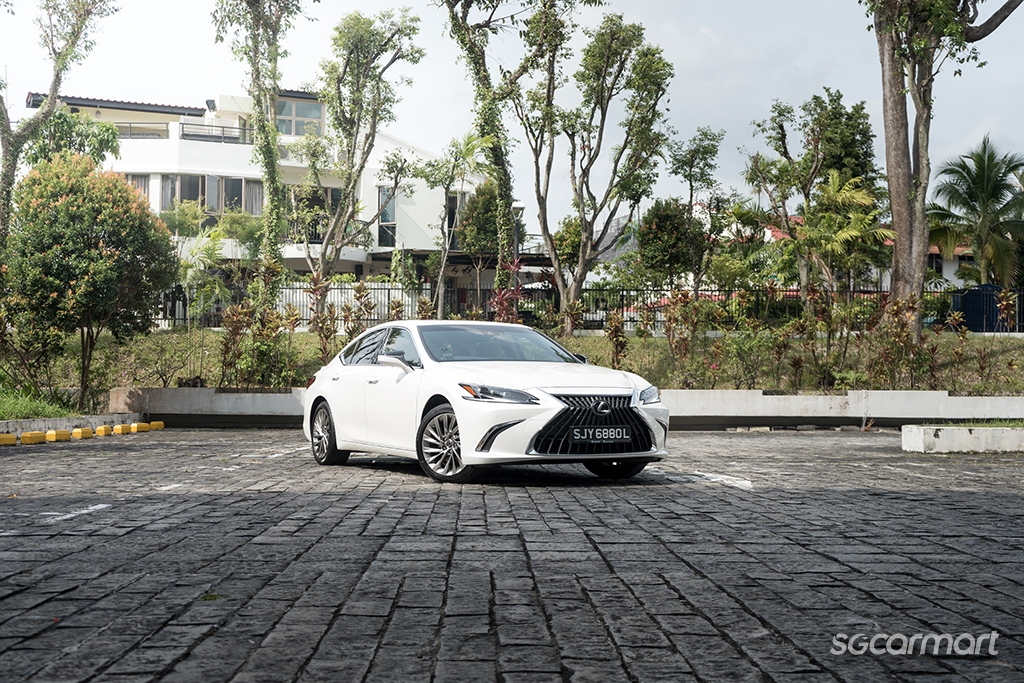
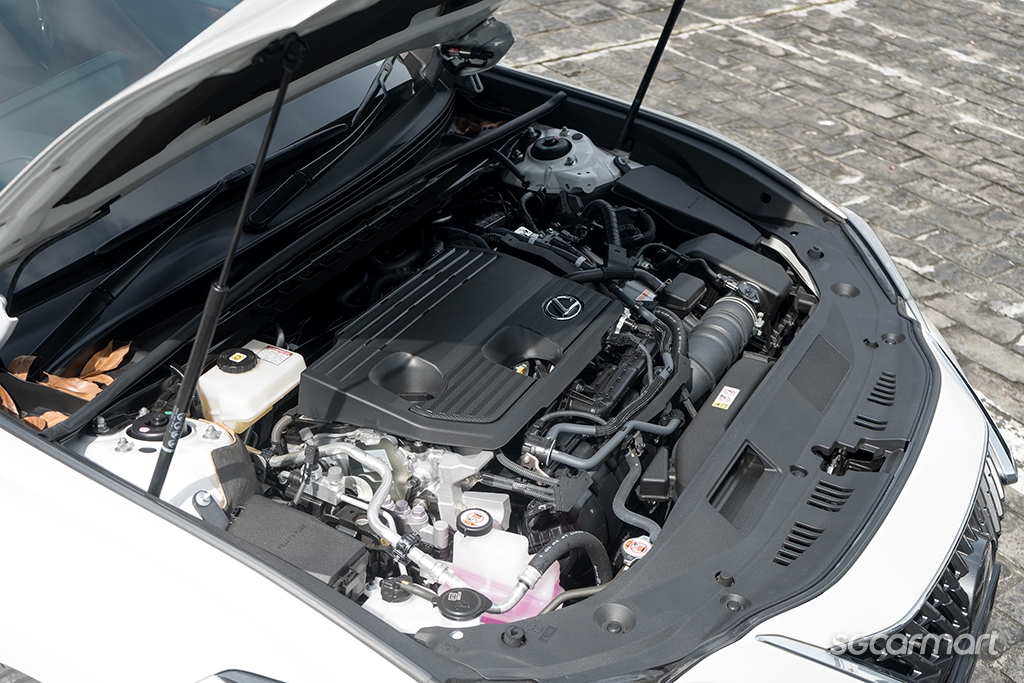
Car tested: ES 300h Hybrid
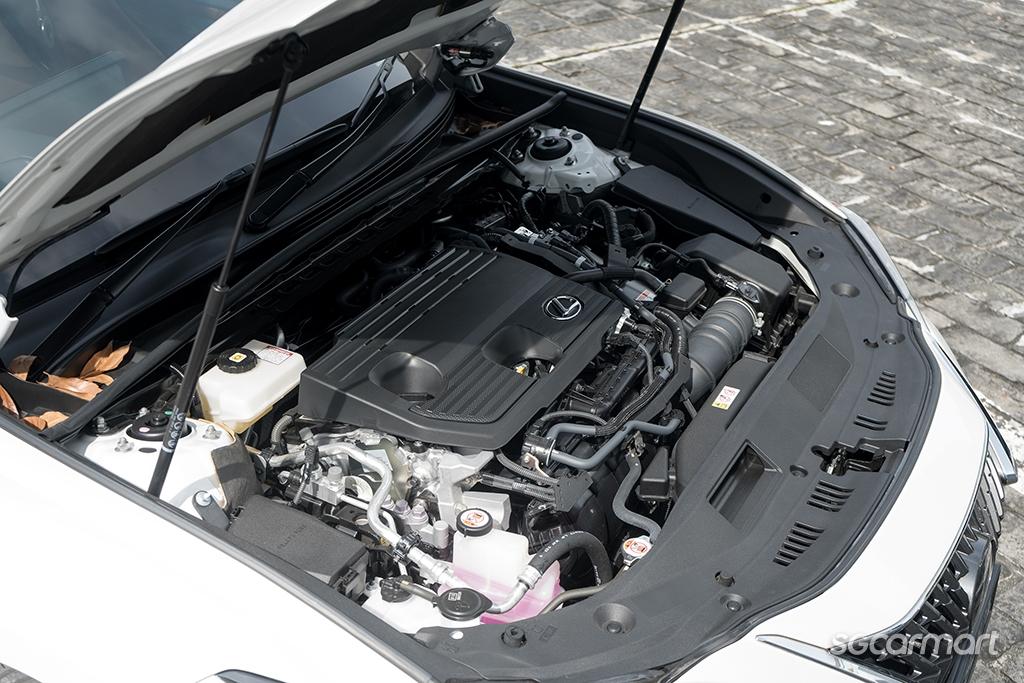
Specs: 2.5-litre 4-cylinder engine, 214bhp and 221Nm of torque. E-CVT transmission.
Hybrid configuration: Series-parallel
Results:
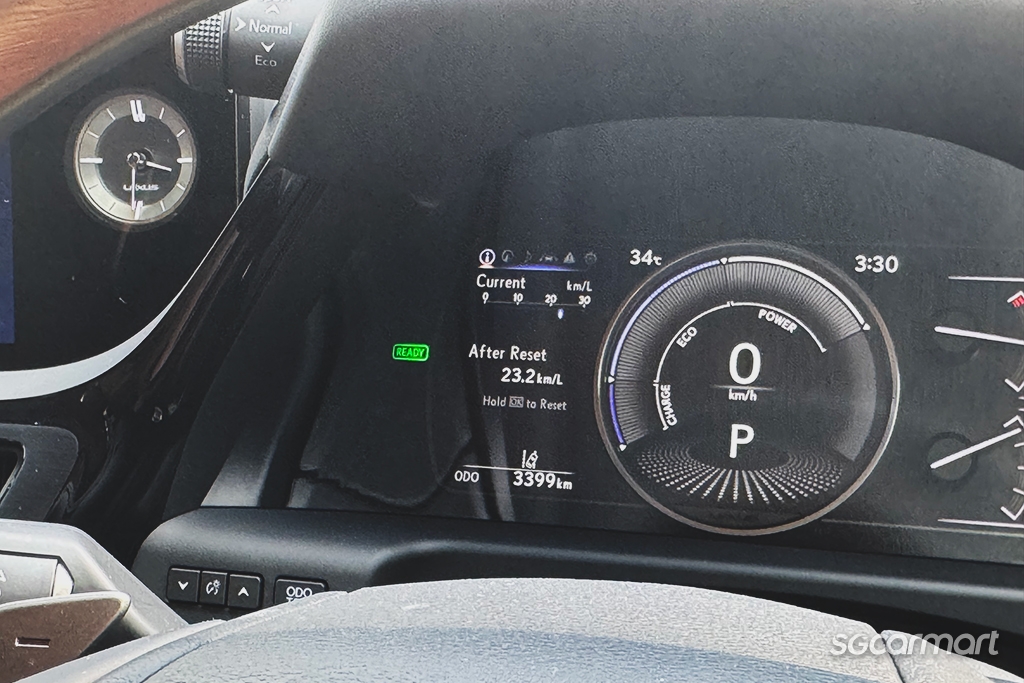
| Distance covered | Average speed | Listed fuel consumption | Tested fuel consumption | Relative performance |
| 180km | 45km/h | 21.7km/L | 23.2km/L | +7.4% |
Other notes:
It was certainly a deeply comfortable and quite enjoyable drive, though it's hard to perhaps separate the specific powertrain experience from the fact that the Lexus ES is a luxurious and high-quality vehicle all around. The powertrain itself proved smooth, gutsy enough and quite refined. There's enough power on tap for most driving situations, and even on just medium throttle proves enough for overtaking manoeuvres. Doesn't sound half bad even when pushed hard.
In terms of driving conditions, traffic was generally light throughout the day, so it was a pretty smooth and fuss-free overall drive.

Nissan
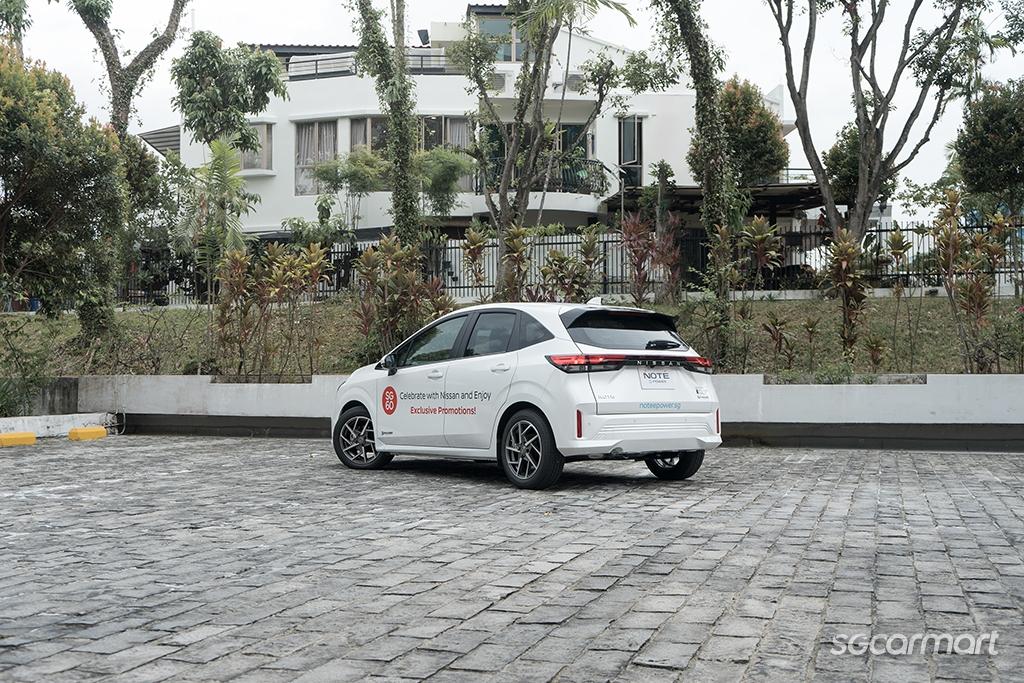
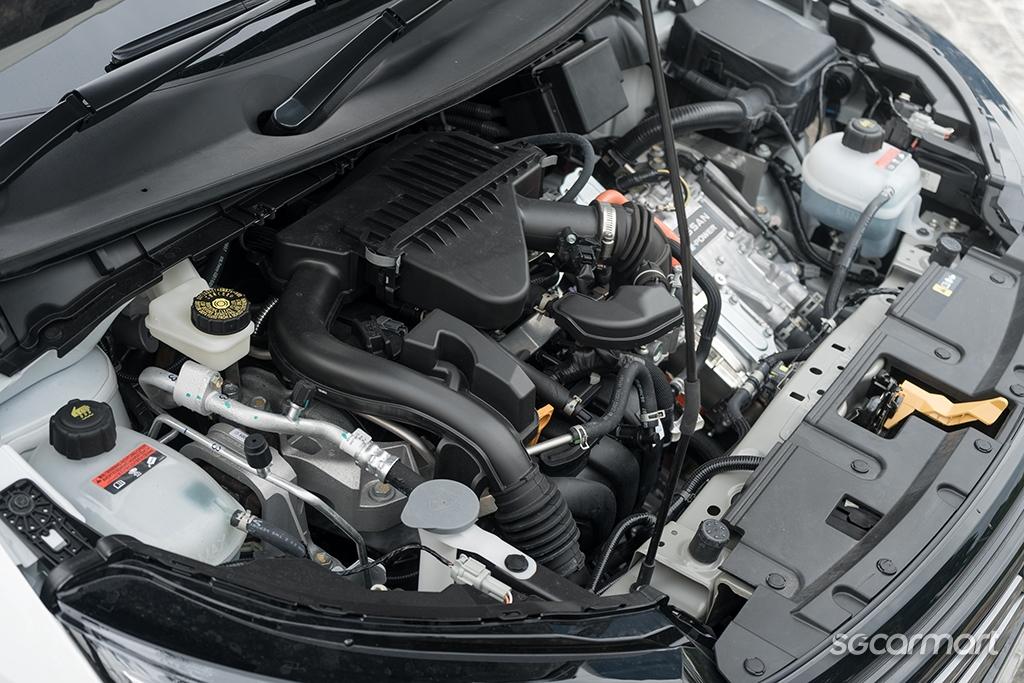
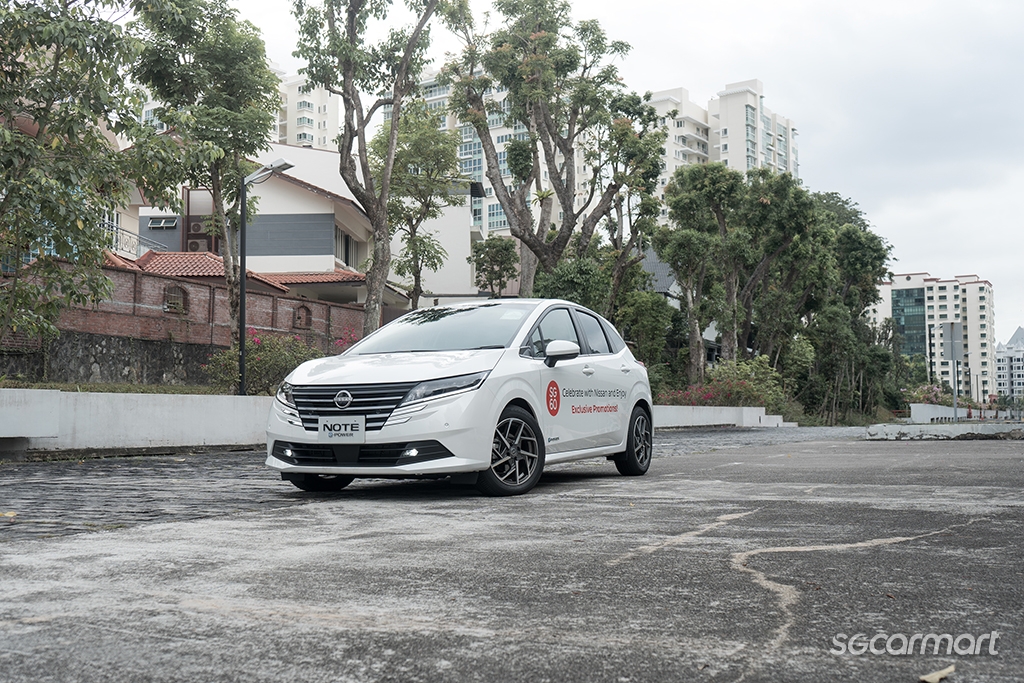
Car tested: Note e-POWER
Specs: 1.2-litre 3-cylinder engine, 114bhp and 280Nm of torque. Single-speed reduction gear transmission.
Hybrid configuration: Series
Results:
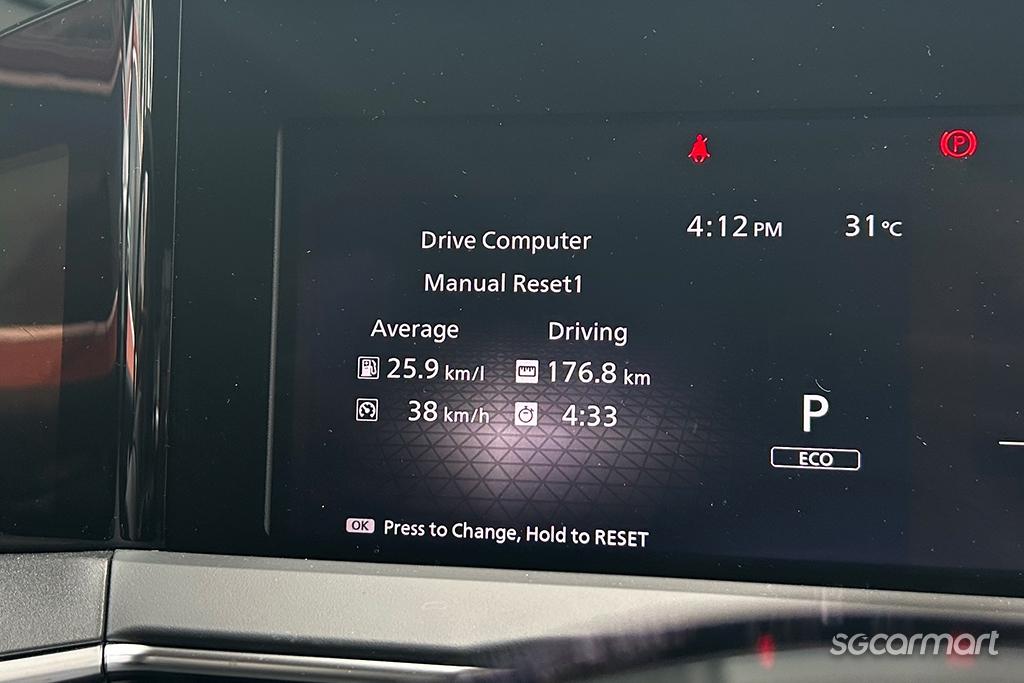
| Distance covered | Average speed | Listed fuel consumption | Tested fuel consumption | Relative performance |
| 176.8km | 38km/h | 24.4km/L | 25.9km/L | +6.1% |
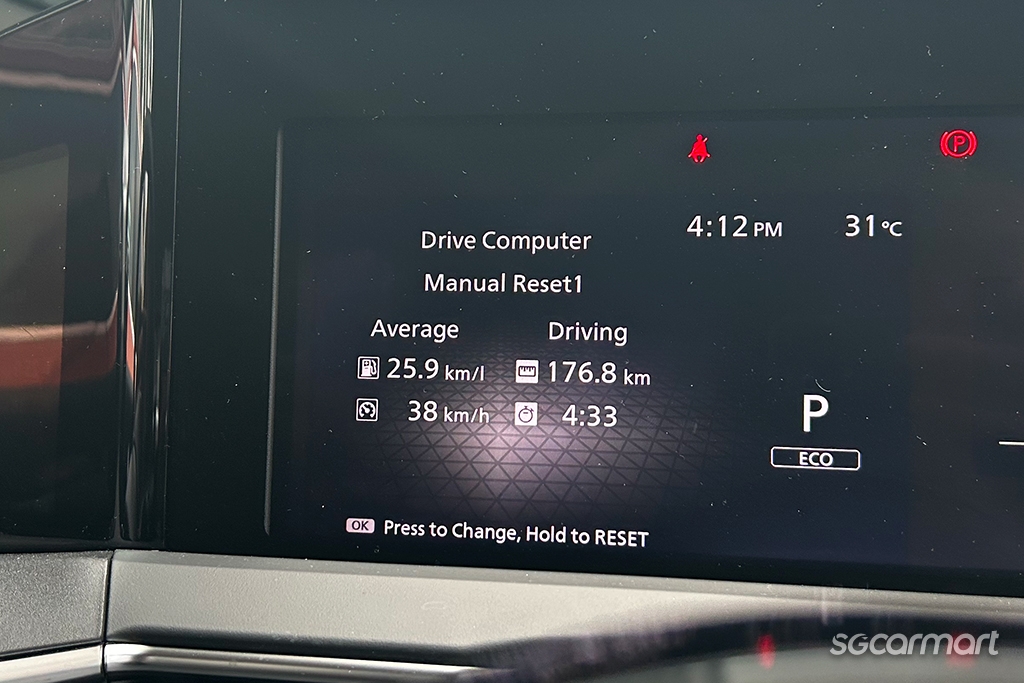
Other notes:
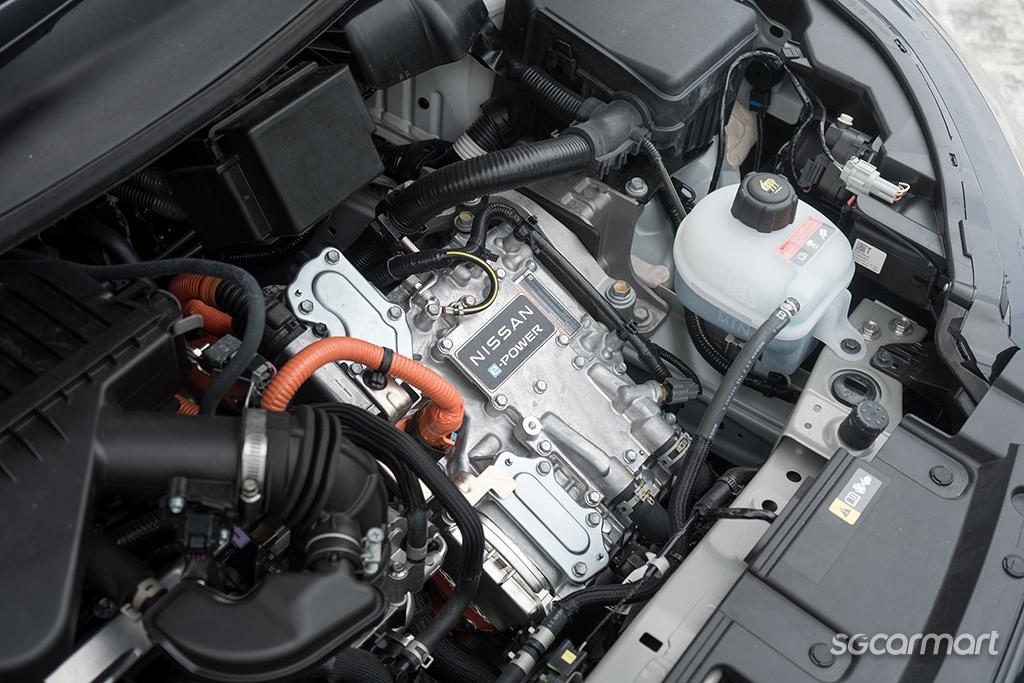
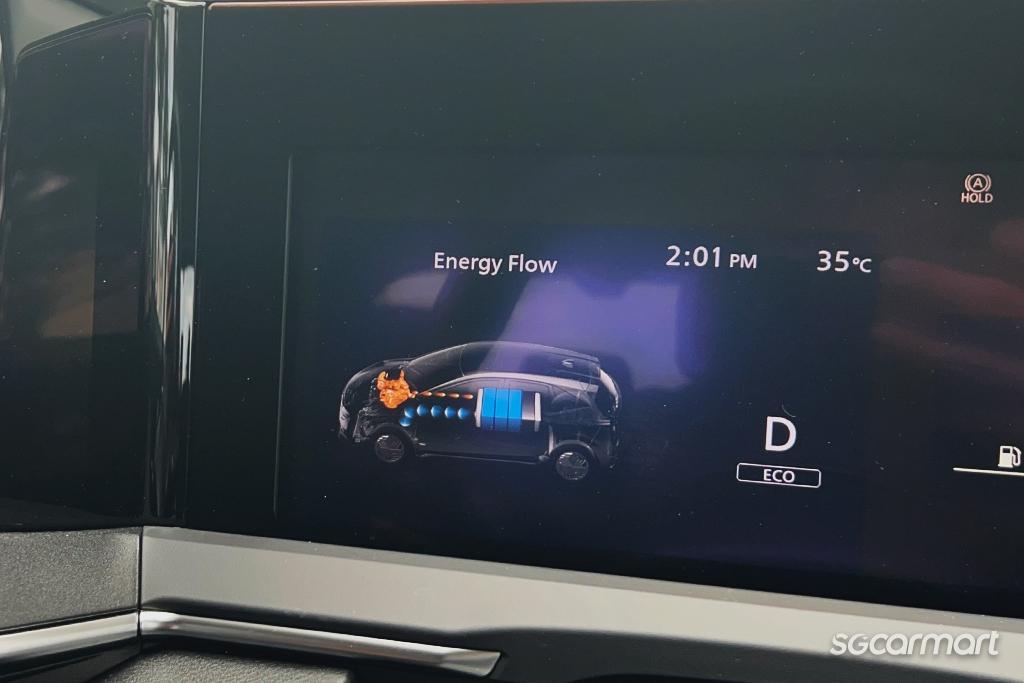
The series configuration of the e-POWER drivetrain means that drive torque is entirely provided by the electric motor (the petrol engine serves as a power generator). As such, the feeling under-foot is more akin to an EV - with a healthy amount of instant torque, the car has much more responsive power, especially at lighter loads. It also feels more urgent when accelerating. That said, it does sound quite gruff when pushed hard, and you can definitely hear the engine when it kicks in.
In terms of the traffic conditions, it wasn't too great - there was a brief bout of heavy rain, as well as one short jam. Even so, the drivetrain performed well on the efficiency front. The listed 24.4km/L is already pretty high, but in fact during the test the Note managed to eclipse that figure.
Subaru
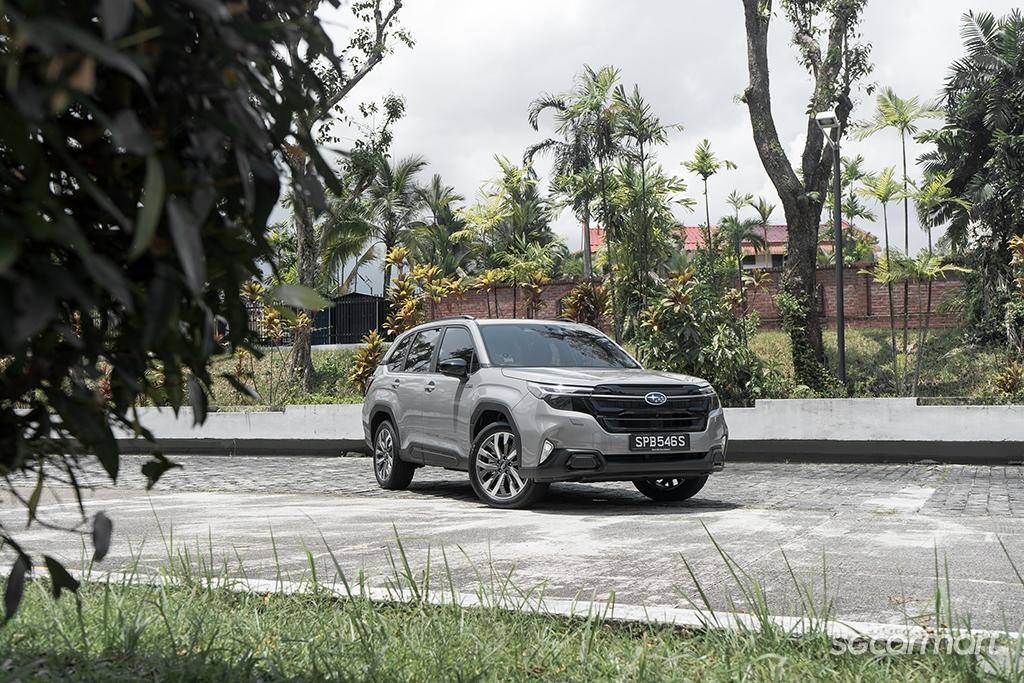
Car tested: Forester e-BOXER Hybrid
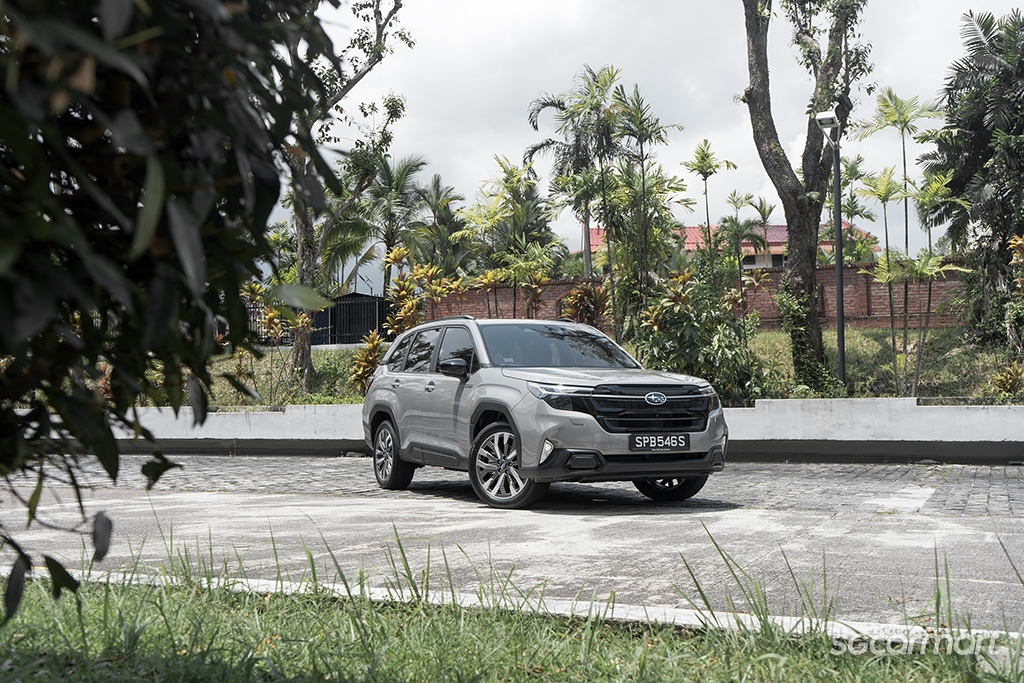
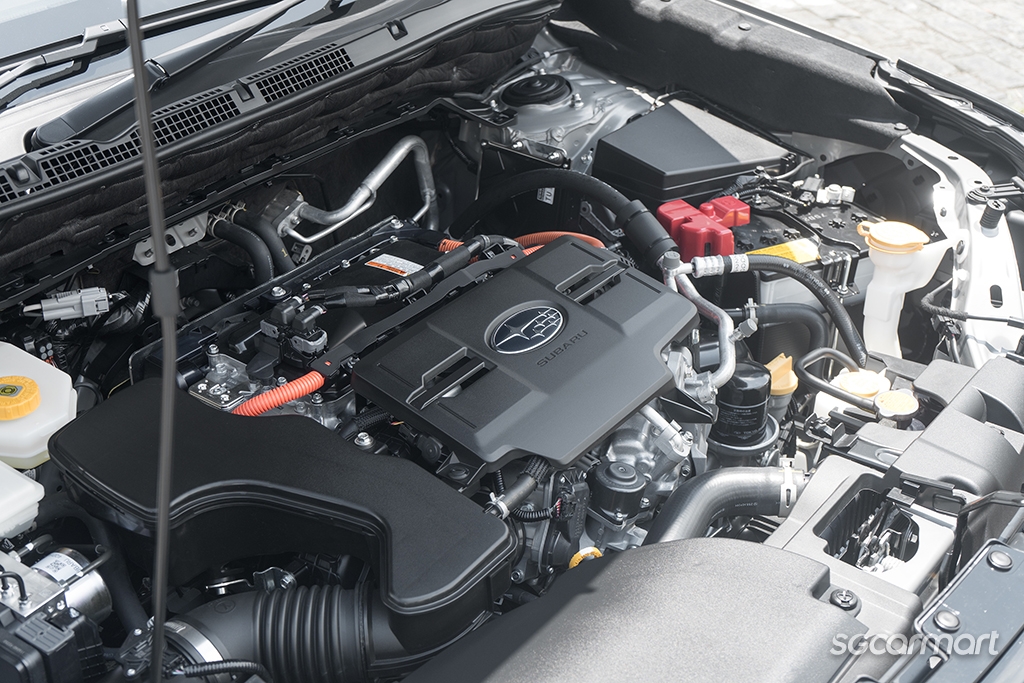
Specs: 2.5-litre 4-cylinder Boxer engine, 194bhp and 209Nm (engine) / 276Nm (electric motor) of torque. CVT transmission.
Hybrid configuration: Series-parallel
Results:
| Distance covered | Average speed | Listed fuel consumption | Tested fuel consumption | Relative performance |
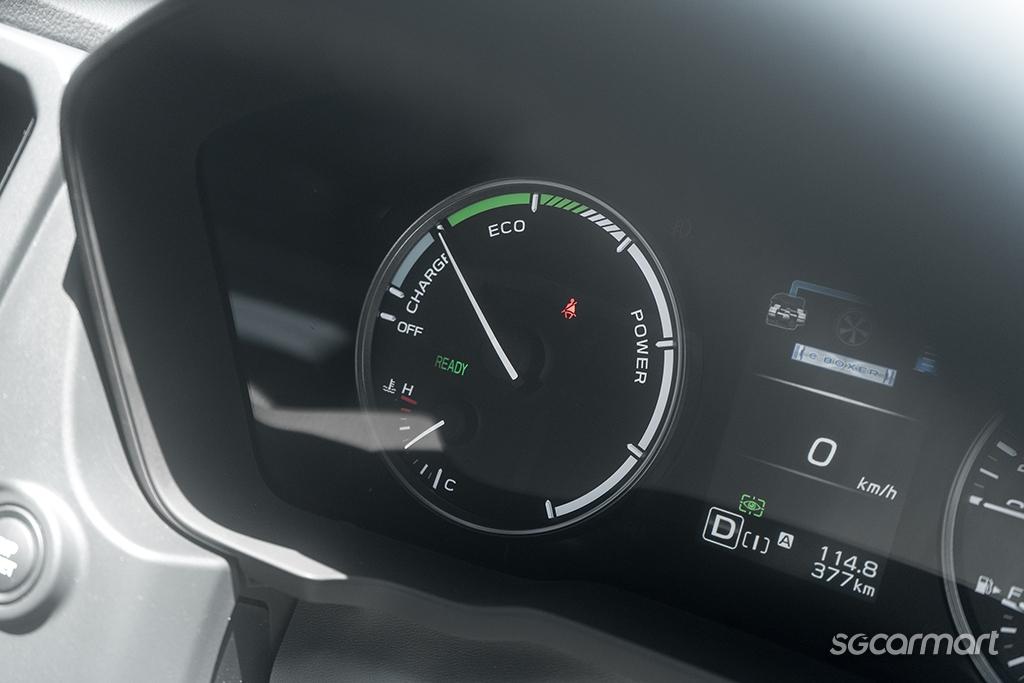
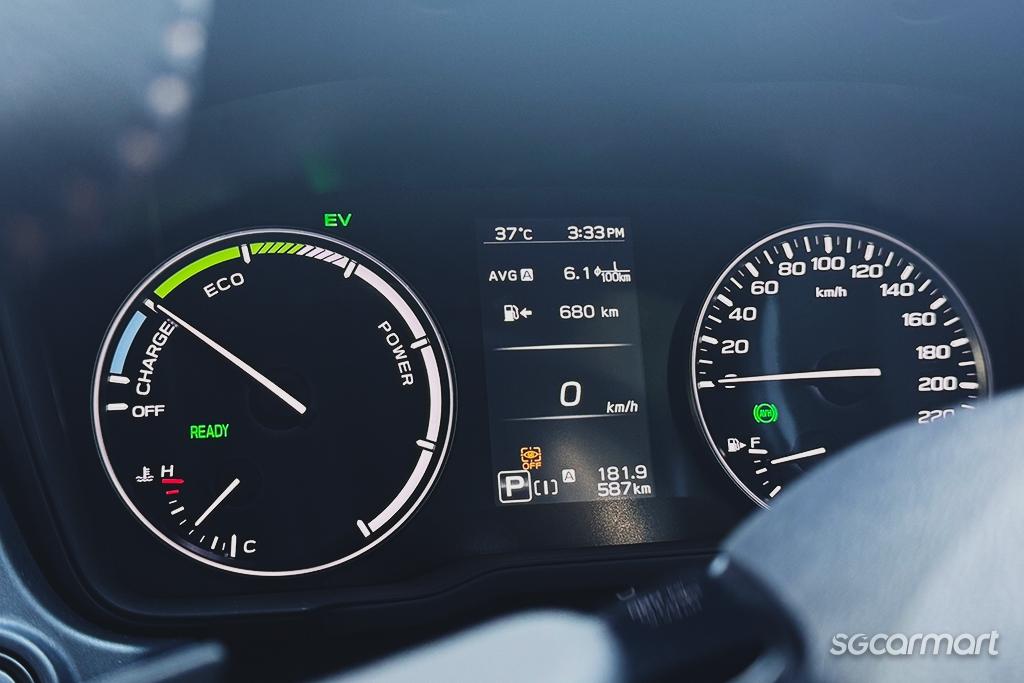
| 181.9km | No data | 16.9km/L | 16.4km/L | -3% |
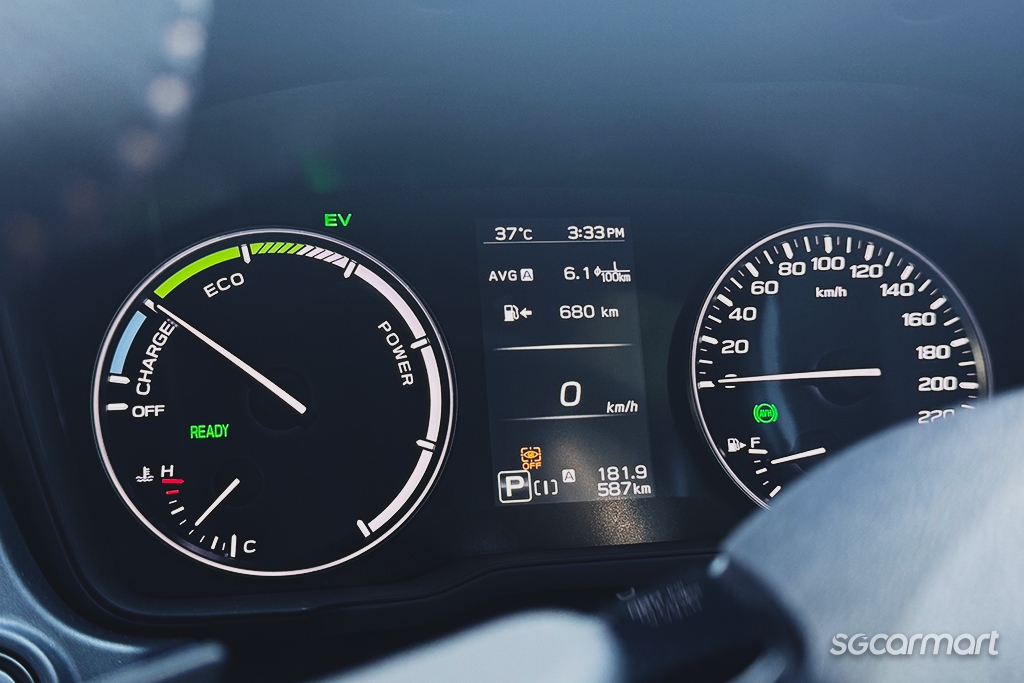
Other notes:
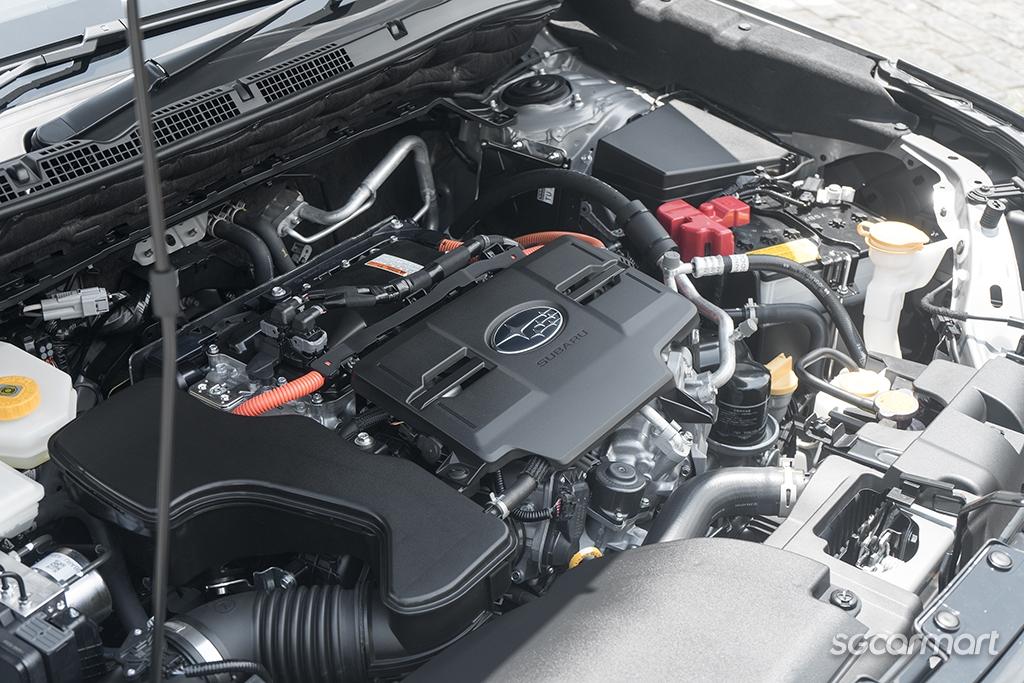
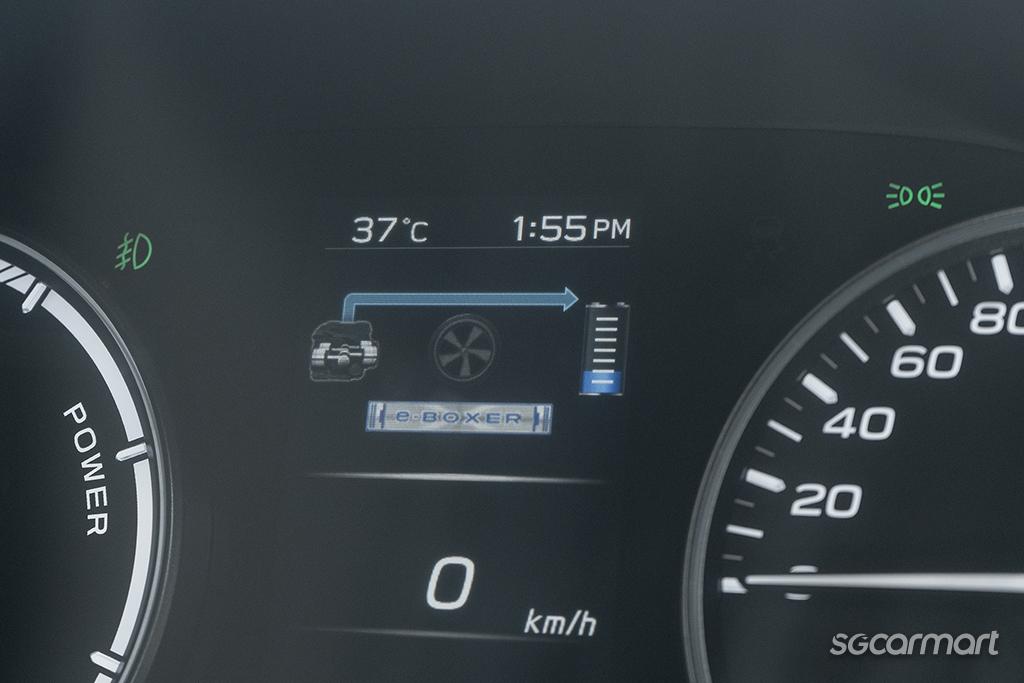
By far the newest hybrid on the block, this is in fact the brand's first full-hybrid. From a configuration perspective, this is a series-parallel setup, similar to what you might find in the Toyota.
Unlike the Toyota or the rest of the cars in this test, the Subaru is all-wheel drive - good for traction on poorer surfaces, not quite so good for fuel efficiency. And even Subaru concedes that the Boxer engine type isn't necessarily the most efficient, but it is core to the brand's identity and character.
And that translates - it sounds pleasing when pushed a little harder. The powertrain is smooth-running, and delivers a good amount of on-the-move performance. You definitely can hear when the engine kicks in, but otherwise it feels well-calibrated and quite seamless underfoot. Acceleration from a standstill is good, as that's usually taken care of by the electric motor. The tested performance of 16.4km/L falls slightly short of the listed figure, but it's still quite good for a larger-capacity Boxer engine. Undoubtedly, this powertrain is noticeably more efficient and more refined than previous non-hybrid Subarus.
In terms of driving conditions, it was a blazing hot day, but other than a short bout of heavy traffic right at the start of the drive, overall traffic was generally light and smooth-going.

Toyota
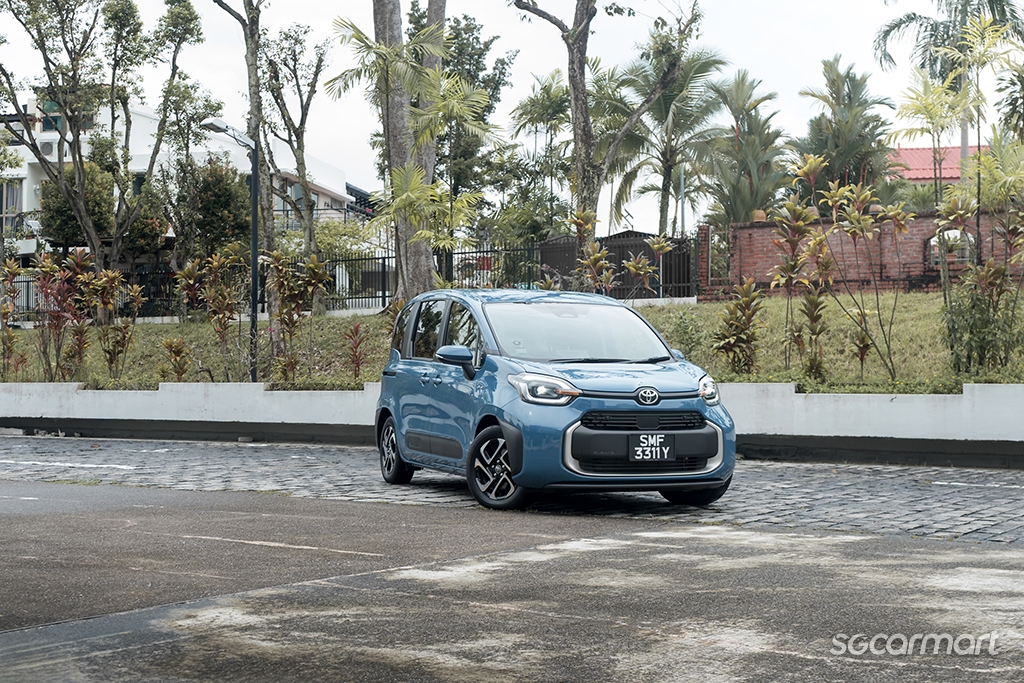
Car tested: Sienta Hybrid
Specs: 1.5-litre 3-cylinder engine, 114bhp and 120Nm of torque. CVT transmission.
Hybrid configuration: Series-parallel
Results:
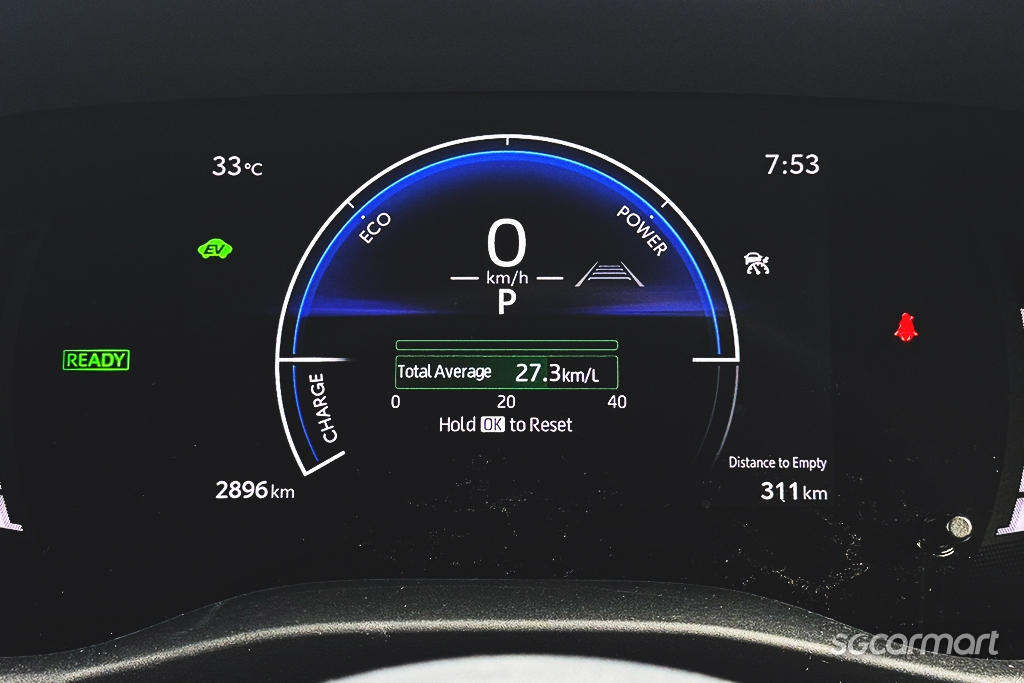
| Distance covered | Average speed | Listed fuel consumption | Tested fuel consumption | Relative performance |
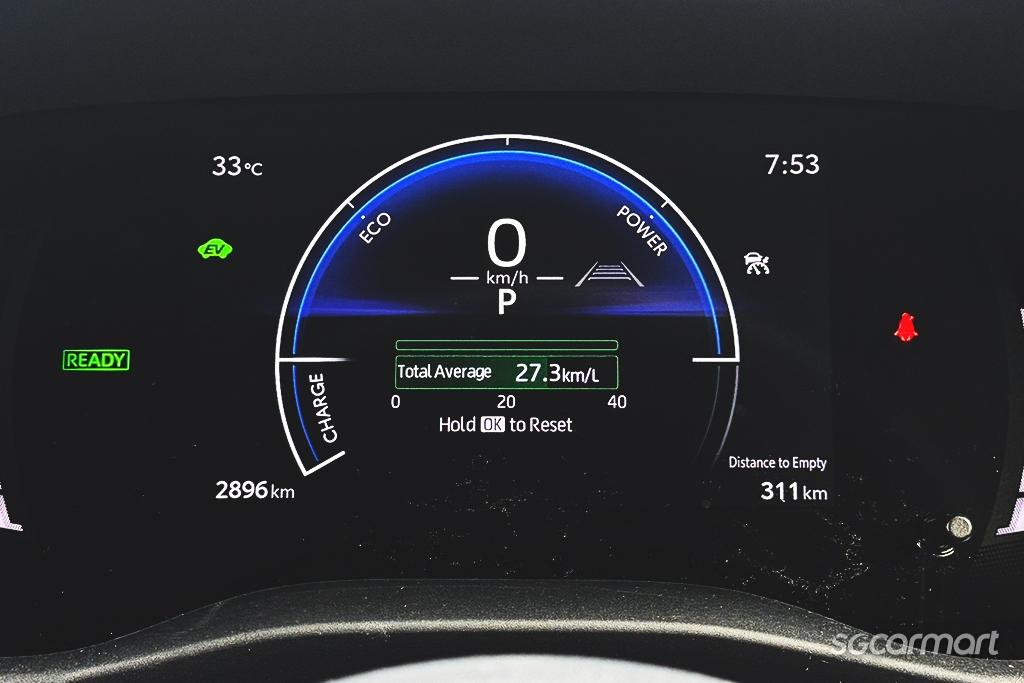
| 179km | No data | 25km/L | 27.3km/L | +9.2% |
Other notes:
That Toyota makes the most efficient (in terms of absolute figures) hybrid system is no real surprise. The brand has been at it for the longest time, and Toyota's hybrids are known to be very efficient. Transitions between petrol/electric power are also seamless and imperceptible.
That said, power here in the Sienta is limited, as the numbers would naturally suggest. And it shows on the road - a heavy foot is met with quite a strained and rough-sounding note, but with far-from-eager pickup.
There is also a rubber-band sensation underfoot, as the car runs a CVT that's constantly hunting for the most efficient ratio. At light loads, there's little to fault. After all, this is a system that's more-or-less tuned for maximum efficiency. But at medium and heavy loads, the powertrain shows its natural drawbacks. But it is mighty efficient.
In terms of driving conditions, it was a generally cool and overcast day with mostly smooth traffic.
Conclusion(s):
Before we dive into the results, it is worth noting that all the brands are Japanese and Korean manufacturers, who have evidently invested in full-hybrid technology in a way that European manufacturers have not. It's probably here also noting that these brands right now have a smaller percentage mix of full-EVs when again compared to the European (and Chinese) manufacturers.
Which is best, then? I do want to reiterate that the results are based on a particular and specific set of testing parameters (single driver, no passengers, minimal idling etc.). In this context, Hyundai performed the best relative to the brand's claimed figure - and by quite a significant bit, too. The Toyota Sienta recorded the highest absolute FC figure, but that shouldn't be surprising as it also has the highest rated figure. The Kona Hybrid exceeding its claimed figure by 20% is a little surprising.
But of course, best is inherently subjective - besides just the other qualities about each hybrid powertrain, there's also a lot more about each car (and brand) that goes into any buyer's decision-making process. Design, interior space, equipment and functionality all need to be considered, and of course pricing is also an important factor for customers.
But when it comes to just the fuel efficiency of the hybrid powertrain, I hope that this test has managed to shed some light and help you along in your buying journey.
Timing may be inopportune given the recent announcement about upcoming VES adjustments, but hybrid vehicles should still very much have a place on our roads. Not everyone is ready/able to go fully electric, and hybrids present a solid and provably greener ICE solution for the future. And consumer sentiment appears to reflect this: A recent Deloitte Global Automotive Consumer Study found that 31% of polled Singaporeans prefer a hybrid vehicle (compared to 12% who preferred a BEV).
But which brand makes the best hybrid system? That's the question we're going to try to answer.
Presently, 7 brands here offer full hybrids - we have managed to gather models from 5 brands to test. We're only testing full hybrids (or self-charging hybrids as they are sometimes called). Mild-hybrids and plug-in hybrids are not being considered.
It's also here worth immediately noting that it's impossible to make apple-to-apple comparisons across brands. Besides just different hybrid configurations, different brands apply their hybrid systems to various body styles, and some also have hybrid systems using different capacity engines. As such, we've tried to identify and test an indicative hybrid model from each brand.
The test will see all cars being driven on the same route with the same driver, to try to eliminate as many changing variables as possible
Of course, fuel efficiency will be the key metric that we are testing, but again, each brand's hybrid system is configured differently, so a direct comparison is not necessarily informative. Instead, we will evaluate the tested figures against each brand's claimed figures for the particular car we are driving.
However, we also will evaluate other aspects of each hybrid system, including performance and smoothness, and also highlight some of the key differences between some of these systems (especially with regards to their configurations). We will not be evaluating other aspects of each car/brand.
Methodology: Each car will be driven by the same driver on the same route, covering 182.4km according to Google Maps. Each car will be used as a driver would typically, so no special attempts to "maximise" fuel economy will be done (air-con on, driving mode normal, music on etc). This is to try to achieve the most realistic, real-world usage results. Driving will consist of an unspecified mix of highway and city driving.
*Honda and Kia were unavailable to participate in this test. The brands are listed in alphabetical order.
Hyundai
Car tested: Kona Hybrid
Specs: 1.6-litre 4-cylinder engine, 129bhp and 265Nm of torque. 6-speed DCT transmission.
Hybrid configuration: Parallel
Results:
| Distance covered | Average speed | Listed fuel consumption | Tested fuel consumption | Relative performance |
| 175.4km | 39.9km/h | 21.3km/L | 25.6km/L | +20.1% |
Other notes:
My research and available literature indicates that Hyundai uses a parallel configuration (even its global website says so). However, the graphic in the car appears to show a series-parallel configuration, so there is some confusion here. But technicalities aside, this powertrain performed very well.
The overall drive conditions were smooth and with less general traffic compared to the other drives (probably helping the FC figure). The powertrain proved smooth and refined, with a good amount of performance on tap. Unlike all the other brands tested, Hyundai's powertrain does not use a CVT, and instead uses a DCT. This aids the sensation of acceleration, while also eliminating the 'rubber-band' effect that a CVT may produce.
Lexus
Car tested: ES 300h Hybrid
Specs: 2.5-litre 4-cylinder engine, 214bhp and 221Nm of torque. E-CVT transmission.
Hybrid configuration: Series-parallel
Results:
| Distance covered | Average speed | Listed fuel consumption | Tested fuel consumption | Relative performance |
| 180km | 45km/h | 21.7km/L | 23.2km/L | +7.4% |
Other notes:
It was certainly a deeply comfortable and quite enjoyable drive, though it's hard to perhaps separate the specific powertrain experience from the fact that the Lexus ES is a luxurious and high-quality vehicle all around. The powertrain itself proved smooth, gutsy enough and quite refined. There's enough power on tap for most driving situations, and even on just medium throttle proves enough for overtaking manoeuvres. Doesn't sound half bad even when pushed hard.
In terms of driving conditions, traffic was generally light throughout the day, so it was a pretty smooth and fuss-free overall drive.
Nissan
Car tested: Note e-POWER
Specs: 1.2-litre 3-cylinder engine, 114bhp and 280Nm of torque. Single-speed reduction gear transmission.
Hybrid configuration: Series
Results:
| Distance covered | Average speed | Listed fuel consumption | Tested fuel consumption | Relative performance |
| 176.8km | 38km/h | 24.4km/L | 25.9km/L | +6.1% |
Other notes:
The series configuration of the e-POWER drivetrain means that drive torque is entirely provided by the electric motor (the petrol engine serves as a power generator). As such, the feeling under-foot is more akin to an EV - with a healthy amount of instant torque, the car has much more responsive power, especially at lighter loads. It also feels more urgent when accelerating. That said, it does sound quite gruff when pushed hard, and you can definitely hear the engine when it kicks in.
In terms of the traffic conditions, it wasn't too great - there was a brief bout of heavy rain, as well as one short jam. Even so, the drivetrain performed well on the efficiency front. The listed 24.4km/L is already pretty high, but in fact during the test the Note managed to eclipse that figure.
Subaru
Car tested: Forester e-BOXER Hybrid
Specs: 2.5-litre 4-cylinder Boxer engine, 194bhp and 209Nm (engine) / 276Nm (electric motor) of torque. CVT transmission.
Hybrid configuration: Series-parallel
Results:
| Distance covered | Average speed | Listed fuel consumption | Tested fuel consumption | Relative performance |
| 181.9km | No data | 16.9km/L | 16.4km/L | -3% |
Other notes:
By far the newest hybrid on the block, this is in fact the brand's first full-hybrid. From a configuration perspective, this is a series-parallel setup, similar to what you might find in the Toyota.
Unlike the Toyota or the rest of the cars in this test, the Subaru is all-wheel drive - good for traction on poorer surfaces, not quite so good for fuel efficiency. And even Subaru concedes that the Boxer engine type isn't necessarily the most efficient, but it is core to the brand's identity and character.
And that translates - it sounds pleasing when pushed a little harder. The powertrain is smooth-running, and delivers a good amount of on-the-move performance. You definitely can hear when the engine kicks in, but otherwise it feels well-calibrated and quite seamless underfoot. Acceleration from a standstill is good, as that's usually taken care of by the electric motor. The tested performance of 16.4km/L falls slightly short of the listed figure, but it's still quite good for a larger-capacity Boxer engine. Undoubtedly, this powertrain is noticeably more efficient and more refined than previous non-hybrid Subarus.
In terms of driving conditions, it was a blazing hot day, but other than a short bout of heavy traffic right at the start of the drive, overall traffic was generally light and smooth-going.
Toyota
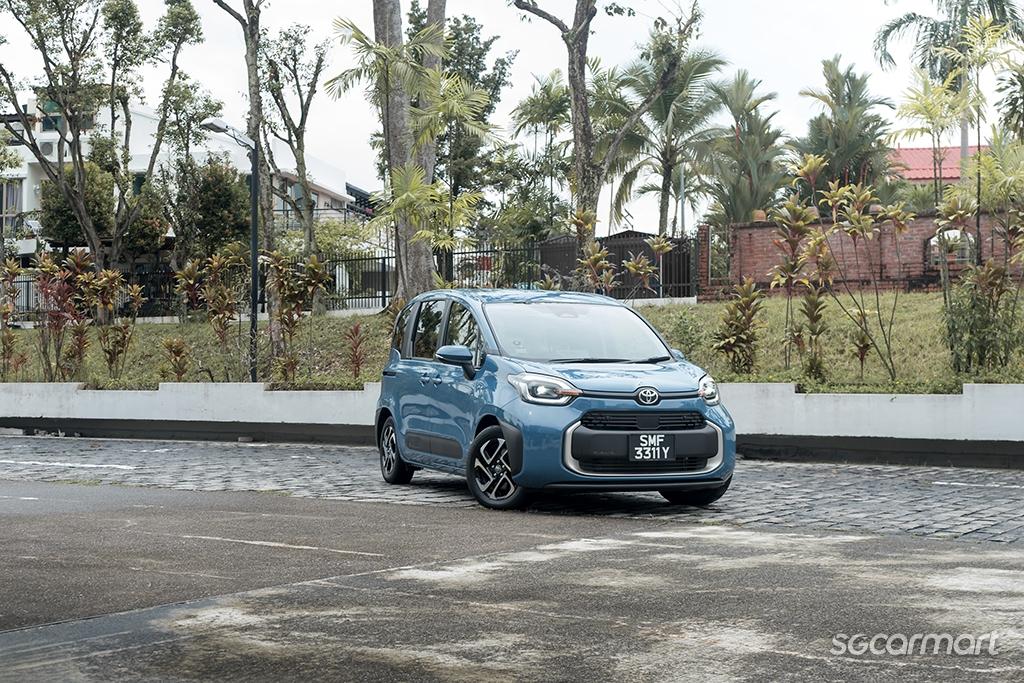
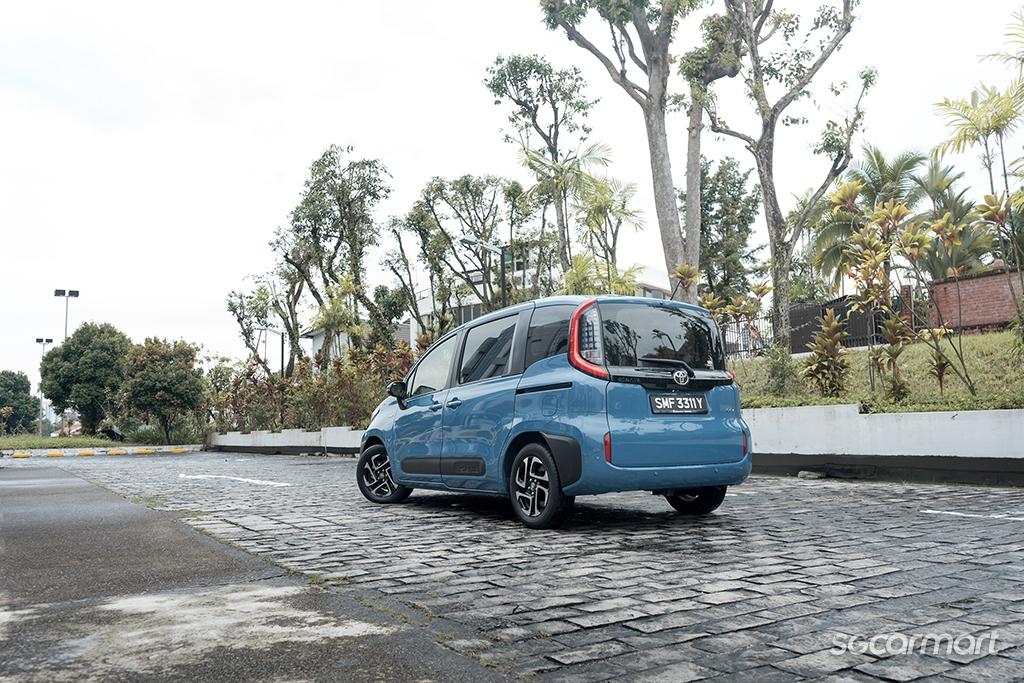
Car tested: Sienta Hybrid
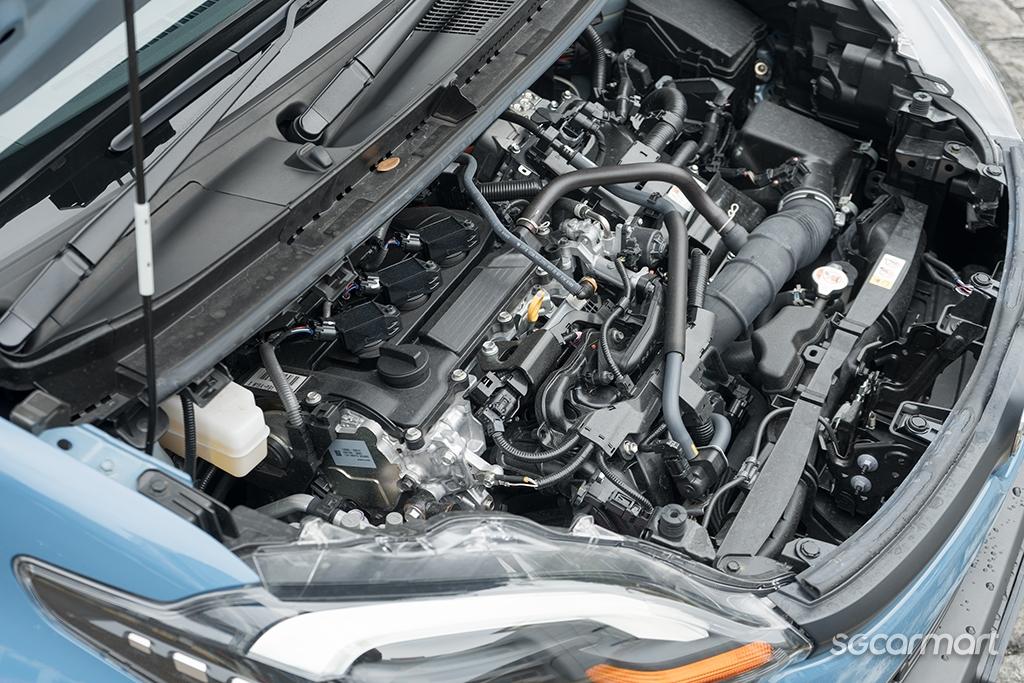
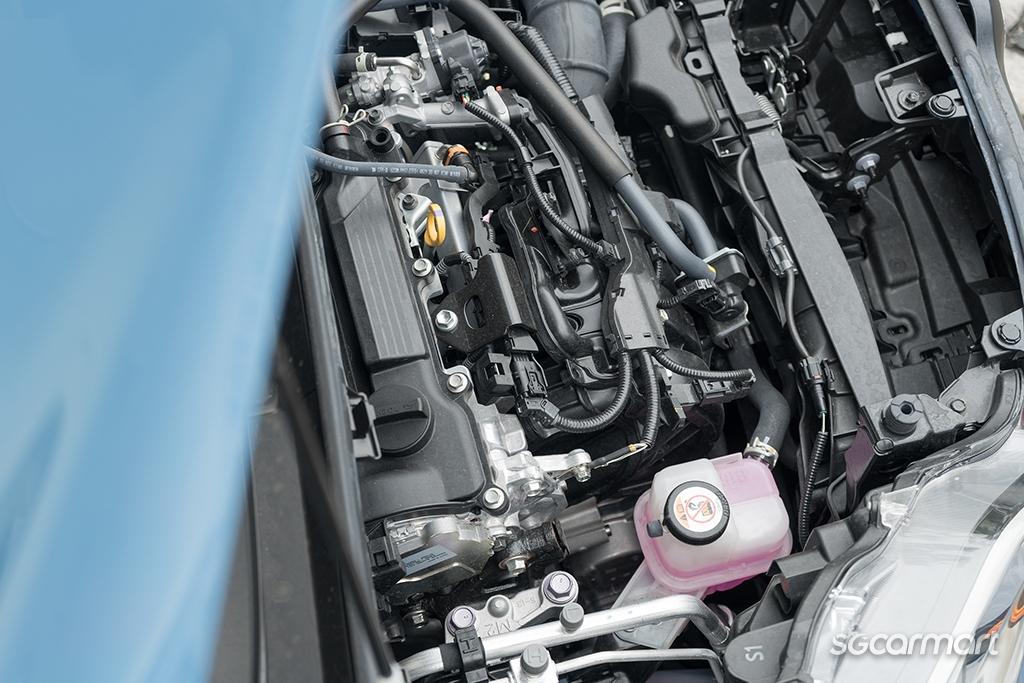
Specs: 1.5-litre 3-cylinder engine, 114bhp and 120Nm of torque. CVT transmission.
Hybrid configuration: Series-parallel
Results:
| Distance covered | Average speed | Listed fuel consumption | Tested fuel consumption | Relative performance |
| 179km | No data | 25km/L | 27.3km/L | +9.2% |
Other notes:
That Toyota makes the most efficient (in terms of absolute figures) hybrid system is no real surprise. The brand has been at it for the longest time, and Toyota's hybrids are known to be very efficient. Transitions between petrol/electric power are also seamless and imperceptible.
That said, power here in the Sienta is limited, as the numbers would naturally suggest. And it shows on the road - a heavy foot is met with quite a strained and rough-sounding note, but with far-from-eager pickup.
There is also a rubber-band sensation underfoot, as the car runs a CVT that's constantly hunting for the most efficient ratio. At light loads, there's little to fault. After all, this is a system that's more-or-less tuned for maximum efficiency. But at medium and heavy loads, the powertrain shows its natural drawbacks. But it is mighty efficient.
In terms of driving conditions, it was a generally cool and overcast day with mostly smooth traffic.
Conclusion(s):
Before we dive into the results, it is worth noting that all the brands are Japanese and Korean manufacturers, who have evidently invested in full-hybrid technology in a way that European manufacturers have not. It's probably here also noting that these brands right now have a smaller percentage mix of full-EVs when again compared to the European (and Chinese) manufacturers.
Which is best, then? I do want to reiterate that the results are based on a particular and specific set of testing parameters (single driver, no passengers, minimal idling etc.). In this context, Hyundai performed the best relative to the brand's claimed figure - and by quite a significant bit, too. The Toyota Sienta recorded the highest absolute FC figure, but that shouldn't be surprising as it also has the highest rated figure. The Kona Hybrid exceeding its claimed figure by 20% is a little surprising.
But of course, best is inherently subjective - besides just the other qualities about each hybrid powertrain, there's also a lot more about each car (and brand) that goes into any buyer's decision-making process. Design, interior space, equipment and functionality all need to be considered, and of course pricing is also an important factor for customers.
But when it comes to just the fuel efficiency of the hybrid powertrain, I hope that this test has managed to shed some light and help you along in your buying journey.



Thank You For Your Subscription.


Tags
Products & Services

For Owners
Quick Links
About Sgcarmart



